Virtual reality (VR) technology is revolutionizing the landscape of education by providing immersive and interactive learning experiences. Unlike traditional educational methods, VR apps allow students to explore, visualize, and interact with complex concepts in a dynamic way. This method not only keeps learners engaged but also enhances retention and understanding. By integrating VR apps in classrooms or at home, educators can facilitate deeper learning and cater to diverse learning styles. In this article, we will explore how to effectively use VR applications for a unique learning experience.
Understanding Virtual Reality in Education
Virtual reality in education involves the use of VR technology to simulate realistic environments where students can learn and practice skills. This can be particularly advantageous in subjects like science, history, and art, where visual representation can significantly enhance comprehension. Students can experience historical events, travel through the solar system, or even conduct virtual experiments without leaving the classroom. Understanding the various applications and potential benefits of VR helps educators make informed decisions about incorporating tech into their curricula.
Choosing the Right Virtual Reality Apps
When selecting VR apps for educational purposes, it’s essential to consider the subject matter, age appropriateness, and user reviews. Many apps are designed specifically for educational settings, providing features such as guided lessons and interactive simulations. Popular educational VR apps include Google Expeditions for virtual field trips, Engage for collaborative learning, and Labster for science experiments. Ensure that the apps not only align with your educational objectives but also offer intuitive interfaces that foster user engagement and accessibility.
Implementing VR in Classroom Settings
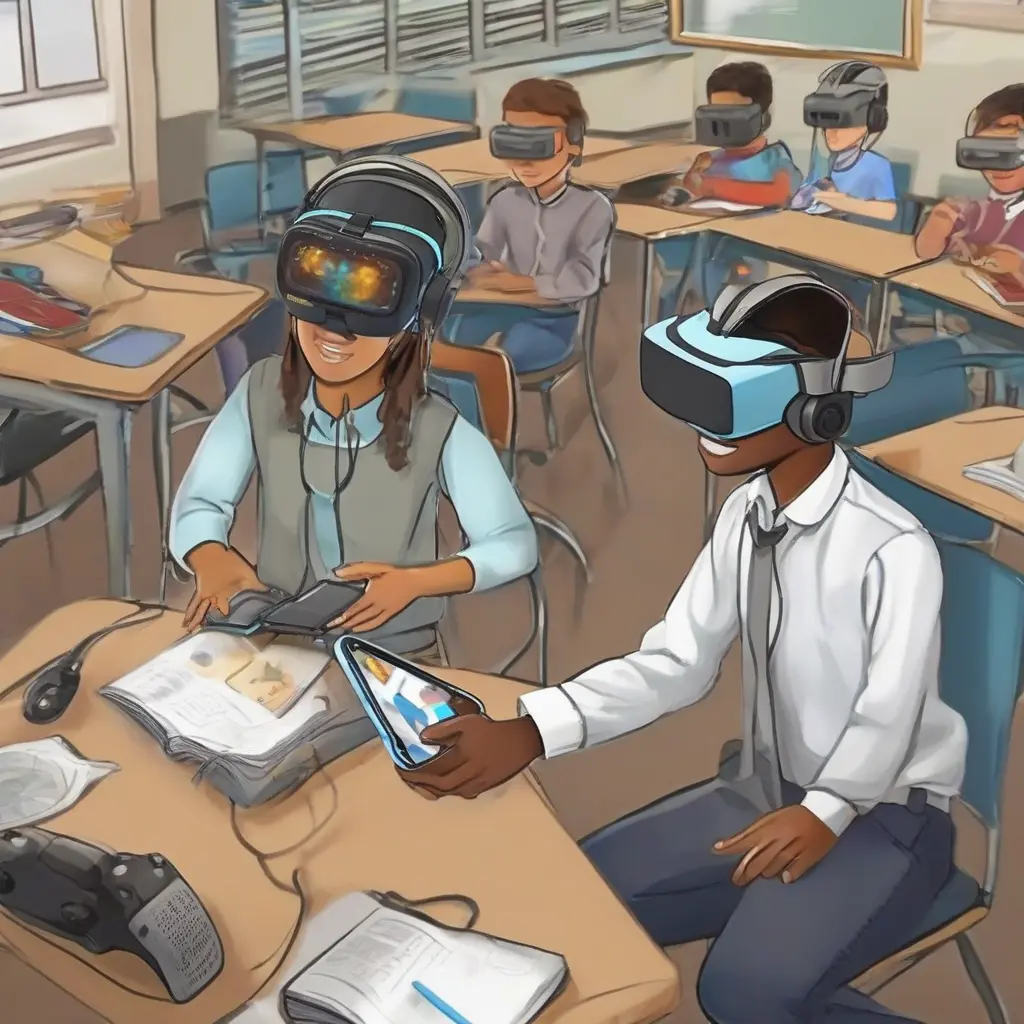
Incorporating VR into classroom settings can be achieved with careful planning and execution. Start by ensuring that all necessary equipment is available, including VR headsets and compatible devices. Create a lesson plan that integrates VR experiences, allowing for both guided exploration and independent learning. Encourage collaboration among students by assigning group projects that utilize VR technology. Make sure to allocate time for discussions and reflections after VR sessions, as this can enhance understanding and help solidify the learning experience.
Enhancing Student Engagement
One of the primary advantages of virtual reality in education is its ability to significantly boost student engagement. VR tech creates an experiential learning environment that caters to various learning styles, making lessons more appealing. Engaged students are motivated to explore subjects more deeply, which can lead to improved academic performance. Incorporating gamification elements and storytelling within VR apps can further enhance student involvement. As they navigate immersive worlds, learners often participate more actively in discussions and collaborative projects.
Adapting VR for Diverse Learning Needs
Virtual reality can be tailored to accommodate diverse learning needs and challenges. For learners with disabilities, VR can provide customized environments that cater to individual requirements. Features like voice commands, visual aids, and adjustable difficulty levels make learning more accessible. Teachers can provide differentiated instructions using VR content tailored to students’ unique learning pathways. This adaptability ensures that all students can benefit from immersive experiences that meet their specific educational goals.
Evaluating Effectiveness of VR Learning
To assess the effectiveness of VR in enhancing learning, educators should implement evaluation methods that are both qualitative and quantitative. Collect feedback from students about their experiences and perceived learning outcomes. Standardized tests and assessments can be administered before and after VR sessions to gauge improvements in knowledge retention and skills application. Additionally, observational assessments can provide insights into student engagement and collaborative skills during VR activities. Analyzing this data will help determine the overall impact of VR on educational outcomes.
Overcoming Challenges in VR Integration
While integrating virtual reality in education offers numerous benefits, there are challenges that educators may encounter. Technical issues, such as hardware compatibility and software glitches, can disrupt learning experiences. Additionally, not all educational institutions have the budget to invest in necessary VR equipment. To overcome these challenges, educators can start with a pilot program using existing devices and free or low-cost VR apps. Engaging with VR technology in phases allows educators to address any challenges effectively and adapt their teaching strategies.
Future of Virtual Reality in Education
The future of virtual reality in education looks promising, with ongoing advancements in technology and growing interest from educators. As VR becomes more affordable and accessible, its applications in the classroom will likely expand. Future developments may include the integration of artificial intelligence, personalized learning experiences, and even more immersive simulations. This progression can lead to revolutionary changes in how educational content is delivered and experienced, making learning more engaging and effective for students of all ages.
Conclusion
Incorporating virtual reality apps into education presents an innovative approach to enhance learning experiences for students. By leveraging the immersive capabilities of VR technology, educators can engage students, accommodate diverse learning styles, and create meaningful educational interactions. While there may be challenges to overcome, the potential benefits of improved retention and comprehension make VR a worthwhile investment in today’s learning environments. As technology continues to evolve, so too will the opportunities for enriching education through virtual reality.