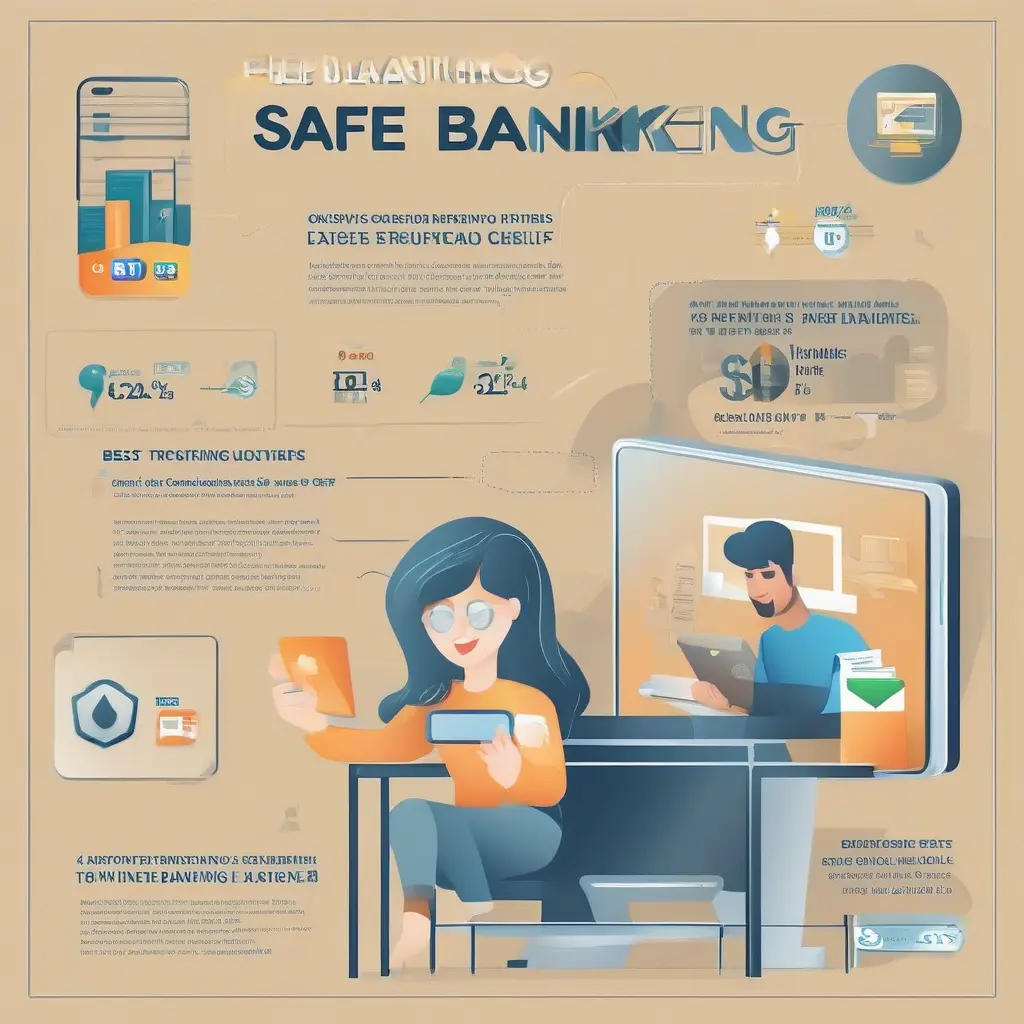
As online banking becomes increasingly popular, ensuring the safety of your financial transactions is paramount. Many individuals enjoy the convenience of managing their finances from the comfort of their homes, but this ease also comes with risks. From phishing scams to insecure Wi-Fi connections, various threats can compromise your sensitive information. By implementing best practices for safe online banking, you can protect yourself from fraud and theft. This article outlines essential guidelines that every online banking user should follow to enhance their digital security and maintain peace of mind during their daily transactions.
Use Strong Passwords and Two-Factor Authentication
One of the most effective ways to secure your online banking account is by using strong, unique passwords combined with two-factor authentication (2FA). A strong password should include a mix of upper and lower case letters, numbers, and special characters, while also being at least 12 characters long. By enabling 2FA, you add an additional layer of protection, requiring a second form of verification, such as a text message code or an authentication app. This dual security measure significantly reduces the likelihood of unauthorized access, making it much harder for cybercriminals to compromise your account.
Keep Software Updated
Ensuring that your device’s operating system, web browsers, and any banking apps are up to date is crucial for maintaining security. Software updates often include patches for vulnerabilities that hackers may exploit. Regularly updating your software helps protect your information from known threats, enhancing the overall security of your online banking experience. Additionally, consider using reputable antivirus software to provide an extra layer of defense against malware, which can be used to capture sensitive data such as your banking credentials.
Be Wary of Phishing Scams
Phishing scams remain a prevalent threat in the realm of online banking. These scams often appear as legitimate emails or messages that ask for your personal information. To avoid falling victim, always verify the sender’s email address and scrutinize the content for any unusual requests or suspicious links. Legitimate financial institutions typically do not ask for sensitive information via email. If in doubt, contact your bank directly using official contact numbers to verify any requests for personal details before taking any action.
Use Secure Connections
When conducting online banking transactions, it’s essential to use secure connections to minimize the risk of data interception. Always ensure you’re connected to a secure network, preferably a private Wi-Fi network. Avoid public Wi-Fi hotspots, as they can be easily compromised by attackers. If you must use a public connection, consider utilizing a Virtual Private Network (VPN) to encrypt your internet traffic, providing an additional layer of security that helps protect your sensitive information while you’re banking online.
Regularly Monitor Your Accounts
Regular monitoring of your bank accounts is a crucial practice for maintaining financial security. By frequently checking your account statements and transaction history, you can quickly identify any unauthorized charges or suspicious activity. Set up alerts for any large or unusual transactions to stay informed about your account’s status. If you do notice anything out of the ordinary, report it to your bank immediately. Early detection of fraud can make it easier to resolve issues and potentially recover lost funds.
Educate Yourself on Banking Security Measures
Staying informed about the latest security measures in online banking can significantly enhance your safety. Many financial institutions provide resources and guides on best practices for securing personal information. Educate yourself on potential threats such as malware, ransomware, and identity theft. Understanding how these threats operate allows you to recognize suspicious activity and take proactive steps to protect your information. By continuously educating yourself, you adopt an informed approach to managing your online banking security.
Avoid Saving Passwords in Browsers
While many web browsers offer the convenience of saving passwords for quick access, this practice can be risky. If someone gains access to your computer or mobile device, they may also access your saved passwords, posing a security threat. Instead, consider using a password manager to store your passwords securely. These tools encrypt your login information, offering a more secure method of managing passwords safely. By relying on a password manager, you can maintain strong, unique passwords for all your accounts without the risk associated with browser-stored credentials.
Understand Your Bank’s Policies
Being well-versed in your bank’s policies regarding fraud protection and liability is essential for safe online banking. Most banks offer protection against unauthorized transactions; however, these policies can vary. Familiarize yourself with your bank’s terms to understand your rights and responsibilities. Knowing how your bank handles fraud cases will help you act swiftly in the event of a security breach, ensuring that you can effectively communicate and recover lost funds while minimizing further risk.
Conclusion
In conclusion, implementing these best practices for safe online banking can significantly enhance your security during daily transactions. Stay vigilant by using strong passwords, keeping your software updated, and educating yourself on potential threats. Regularly monitoring your accounts and understanding your bank’s policies will further protect your finances from cyber threats. By following these guidelines, you can enjoy the convenience of online banking while safeguarding your financial information against potential risks.