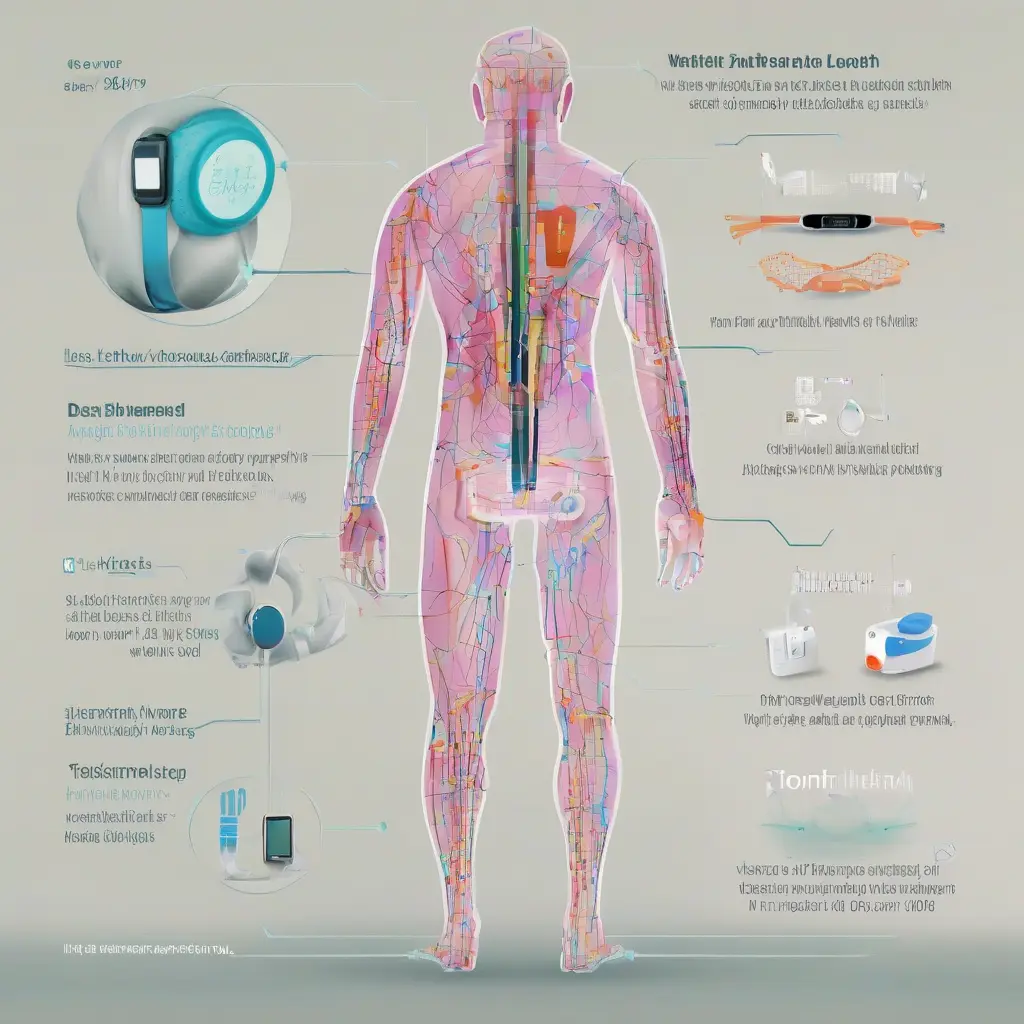
In today’s fast-paced world, wearable technology has become an essential tool for daily health monitoring. From smartwatches to fitness trackers, these devices provide invaluable insights into various health metrics, such as heart rate, sleep patterns, and physical activity levels. By leveraging the capabilities of wearable tech, individuals can take proactive steps toward better health and wellness. This article will guide you through how to use these devices effectively, the benefits they offer, and tips for integrating them into your daily routine.
Understanding Wearable Technology
Wearable technology encompasses devices that users wear on their bodies, often designed to track health-related data. Common examples include smartwatches, fitness trackers, and even smart clothing. These devices typically collect information on physical activity, vital signs, and even sleep quality. Understanding how these technologies work is crucial for maximizing their potential benefits. Many wearables use sensors such as accelerometers, heart rate monitors, and GPS to gather data that can be analyzed for health insights.
Key Features of Health Monitors
Health monitors equipped with wearables come with several key features designed to enhance user experience. Heart rate monitoring, step counters, calorie tracking, and sleep quality assessments are just a few capabilities. Advanced models even include ECG readings and blood oxygen saturation levels. These features allow users to gain a comprehensive view of their health metrics, making it easy to set and track fitness goals. Familiarizing yourself with these features can help you choose the right wearable for your specific health needs.
Setting Up Your Wearable Device
Setting up a wearable device typically involves downloading an accompanying app, creating a user profile, and syncing the device with your smartphone. Most devices guide users through the setup process, ensuring that personal preferences and health goals are configured correctly. It’s essential to input accurate data such as age, weight, and activity levels to improve the precision of tracking. Following setup guides ensures that users make the most of functionalities, ultimately supporting their health monitoring journey.
Using Wearable Tech to Track Activity Levels
One of the primary functionalities of wearable technology is tracking physical activity levels. Most devices can monitor steps, distance traveled, and even specific workouts. By setting daily or weekly activity goals, wearables can help motivate users to stay active and reach their fitness objectives. Users can also compete with friends or take part in community challenges to make exercise more enjoyable. Tracking activity levels leads to increased awareness of one’s habits, promoting a healthier lifestyle.
Monitoring Sleep Patterns Effectively
Sleep monitoring is another valuable feature offered by wearable devices. By tracking sleep duration and quality, users can gain insights into their sleep patterns. Many wearables provide data on factors such as time spent in deep sleep versus light sleep and even waking periods throughout the night. Using this information, individuals can make adjustments to improve their sleep hygiene, helping to enhance both the quality and quantity of their rest. Understanding sleep data can significantly impact overall health.
Understanding Your Heart Health
Heart health monitoring is a key aspect of many wearable devices. These gadgets can help track heart rate during different activities, offering a clear picture of cardiovascular fitness. Some advanced devices also provide alerts for irregular heart rhythms or excessively high heart rates, ensuring timely action if needed. Regularly reviewing heart rate data can help inform lifestyle changes and create awareness around potential health risks. This proactive approach to heart health is crucial for long-term wellness.
Connecting Wearables with Health Apps
Most wearable devices can connect to various health apps, providing an integrated approach to health monitoring. Popular apps such as Apple Health, Google Fit, and third-party options enable users to consolidate their health data, making it easier to analyze trends and set goals. By linking wearables with these applications, individuals can receive comprehensive reports, allowing for deeper insights into their lifestyle choices. The interconnectivity fosters an ecosystem designed for holistic health management.
Setting Health Goals with Wearable Tech
Setting realistic health goals is essential for sustaining motivation. Wearable technology allows users to set specific targets, such as daily step counts, weekly activity levels, or even weight loss milestones. Monitoring progress toward these goals in real-time can encourage users to stay engaged with their health journey. Many devices offer gamification features like achievement badges or social sharing options, which can enhance the experience further, making it easier to maintain focus on personal health objectives.
Challenges and Limitations of Wearables
Despite their numerous advantages, wearable devices come with challenges and limitations. Battery life, comfort, and data accuracy can sometimes be concerns for users. Additionally, some individuals might find wearable tech overwhelming or intrusive. Understanding these potential issues is important in deciding whether a wearable device is the right choice for them. Users should consider their specific needs and preferences to ensure that the selected device aligns with their health goals rather than complicating them.
Choosing the Right Wearable Device
Selecting the appropriate wearable device depends on individual health goals, lifestyle, and budget. Some devices focus heavily on fitness tracking, while others may offer extensive health monitoring features, including stress management tools. Reading user reviews, comparing features, and evaluating compatibility with smartphones and apps can guide users in finding the right option. Consulting a healthcare provider can also offer personalized recommendations, ensuring the chosen wearable aligns with specific health needs.
Staying Motivated with Health Data
Staying motivated while tracking health data is crucial for long-term success. Wearable devices often include reminders, notifications, and motivational messages to encourage users to stay active or meet their goals. Engaging with friends through social features can also enhance motivation, creating a community support system. Regularly reviewing health metrics and celebrating achievements, no matter how small, can keep users committed to their health journey. This consistent engagement fosters a positive relationship with health management.
Conclusion
Incorporating wearable technology into daily life offers a practical approach to health monitoring. By understanding how to effectively use these devices, individuals can track their fitness, sleep, and overall health metrics. The ability to set goals, monitor progress, and make informed decisions about health creates a conducive environment for improved well-being. As technology evolves, staying updated with the latest advancements can further enhance the effectiveness of wearables in health monitoring.