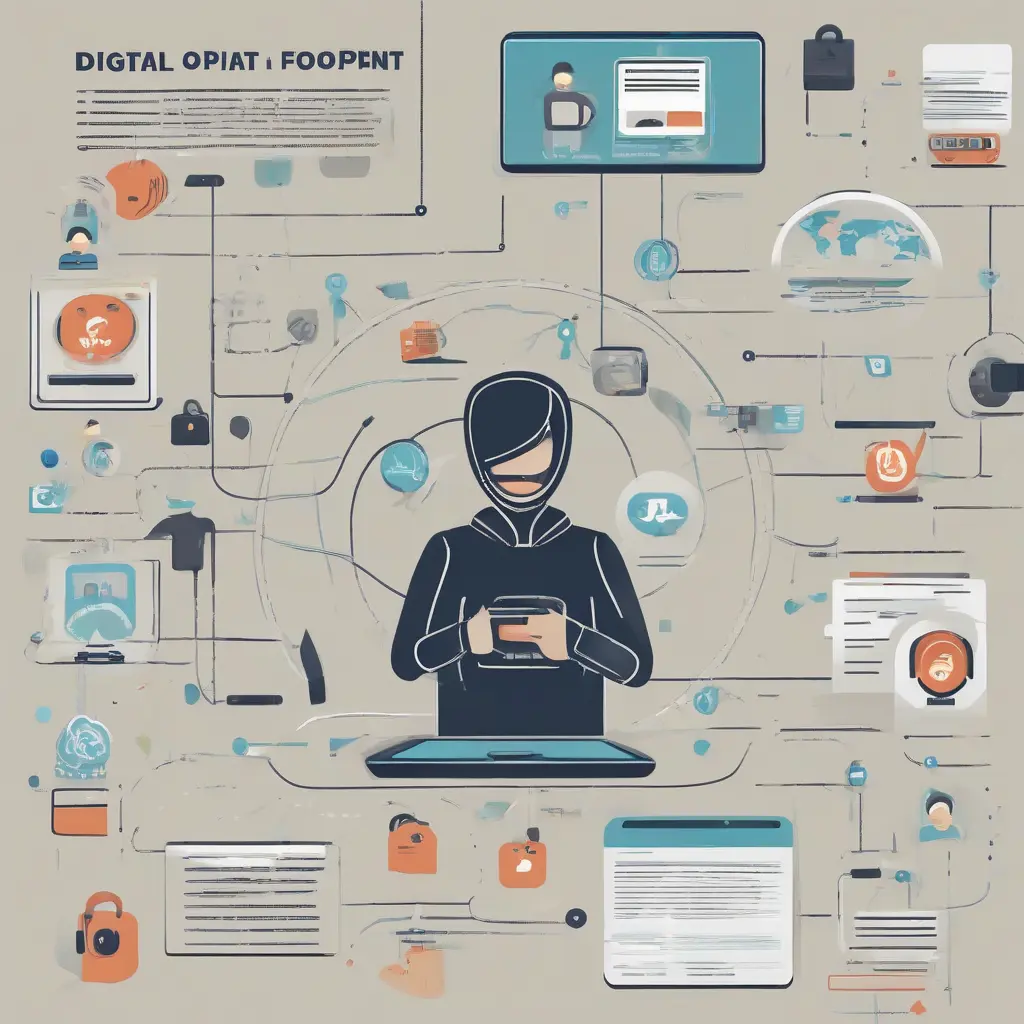
In an increasingly digital world, safeguarding your online presence is more crucial than ever. Every action you take online leaves a trace, contributing to your digital footprint. This footprint can affect not just your privacy but also your security and reputation. Understanding how to manage and protect this footprint is essential, especially as cyber threats grow more sophisticated. From social media engagement to online shopping, each activity carries risks. This article will explore proven strategies to help you maintain a secure online presence while navigating various digital platforms.
Understanding Your Digital Footprint
Your digital footprint comprises the information you leave behind when you use the internet. This includes everything from the websites you visit and the emails you send to the social media interactions you engage in. There are two types of footprints: active and passive. An active footprint consists of the data you intentionally share, such as posts and comments on social media, while a passive footprint refers to the data collected without your explicit consent, such as cookies tracking your browsing habits. Recognizing the components of your digital footprint is vital in managing your online identity.
The Importance of Privacy Settings
One of the simplest yet most impactful ways to safeguard your digital footprint is to adjust your privacy settings across various online platforms. Most social networking sites allow users to customize who can see their posts and personal information. Taking the time to review these settings can significantly limit the exposure of your data. Ensure that your profiles are set to private, and only accept friend requests from people you know personally. Regularly revisiting and updating these settings is crucial as platforms often alter their default privacy policies.
Utilizing Strong Passwords
A robust password is your first line of defense against unauthorized access to your accounts. When creating passwords, opt for a combination of letters, numbers, and special characters. It is crucial to avoid easily guessable information, such as birthdays or common phrases. Consider using a password manager to help generate and store complex passwords securely. Additionally, enabling two-factor authentication (2FA) can add an extra layer of protection, requiring not only a password but also a verification code sent to your mobile device.
Be Aware of Phishing Tactics
Phishing is a common method used by cybercriminals to steal sensitive information. This typically involves deceptive emails or messages that appear to be from legitimate sources, prompting users to click on harmful links or provide personal information. To protect yourself from phishing attacks, always verify the sender’s email address and look for signs of a scam, such as poor grammar or unfamiliar hyperlinks. Being vigilant and skeptical about unexpected correspondence can greatly reduce your risk of becoming a victim of these tactics.
Regular Software Updates
Keeping your software updated is essential for safeguarding your digital footprint. Software manufacturers frequently release updates that patch security vulnerabilities. Failing to install these updates can leave your devices susceptible to malware and other cyber threats. Enable automatic updates for your operating system, applications, and antivirus software to ensure you’re always protected. Regularly check your devices for any pending updates to maintain optimal security and functionality.
Using Secure Connections
When accessing the internet, it is crucial to use secure connections. Always ensure that the website URL begins with ‘https://’ rather than just ‘http://’, as the ‘s’ indicates that the site is secure. Avoid using public Wi-Fi for sensitive transactions, such as online banking or shopping, as these networks often lack adequate security. If you must use public Wi-Fi, utilizing a Virtual Private Network (VPN) can encrypt your data and protect your privacy while online.
Limiting Personal Information Sharing
Be mindful of the personal information you share online, as this can significantly contribute to your digital footprint. Think twice before posting details such as your location, daily routines, or sensitive data. Review the information required to create accounts on various platforms; often, you can limit the data you provide. The less information you share, the smaller your digital footprint, which can help mitigate potential risks related to identity theft or harassment.
Educating Yourself About Privacy Policies
Familiarizing yourself with the privacy policies of websites and applications can help you understand how your data is being used. Privacy policies usually detail how your information is collected, stored, and shared. This knowledge allows you to make informed decisions about which services to use or avoid. Take the time to read these documents, even if they seem lengthy or complicated; knowing how your data is treated can empower you to protect your digital presence effectively.
Monitoring Your Digital Footprint
Regularly monitoring your digital footprint is crucial in understanding how your information is perceived online. Search for your name on search engines to see what information is publicly available. You may also consider using services that allow you to track your online presence. By being proactive in monitoring your digital footprint, you can identify potential privacy threats or misleading information, enabling you to take corrective action when necessary.
The Role of Two-Factor Authentication
Two-Factor Authentication (2FA) serves as a critical security measure to protect your online accounts. By requiring both your password and an additional form of verification, such as a text message or authenticator app, 2FA adds a layer of difficulty for cybercriminals attempting to access your accounts. Activating 2FA on all accounts that offer it can deter unauthorized access and provide peace of mind, knowing that your sensitive information is significantly more secure.
Conclusion
Safeguarding your digital footprint is an ongoing process that requires vigilance and proactive measures. By understanding the elements of your digital identity, adjusting privacy settings, using strong passwords, being cautious of phishing scams, and maintaining secure networks, you can significantly reduce risks. Educating yourself about privacy practices and regularly monitoring your footprint will empower you to navigate the digital landscape safely and responsibly.