In today’s digital world, location sharing has become a common practice, offering both convenience and risks. With smartphones equipped with GPS, sharing your whereabouts can provide safety advantages, such as ease of navigation and improving emergency response. However, the implications of sharing your location can extend beyond personal convenience; it may expose you to various security and privacy concerns. This article explores the multifaceted impacts of location sharing on daily safety, revealing the benefits it brings while also highlighting the potential dangers that users should be aware of.
Understanding Location Sharing Technology
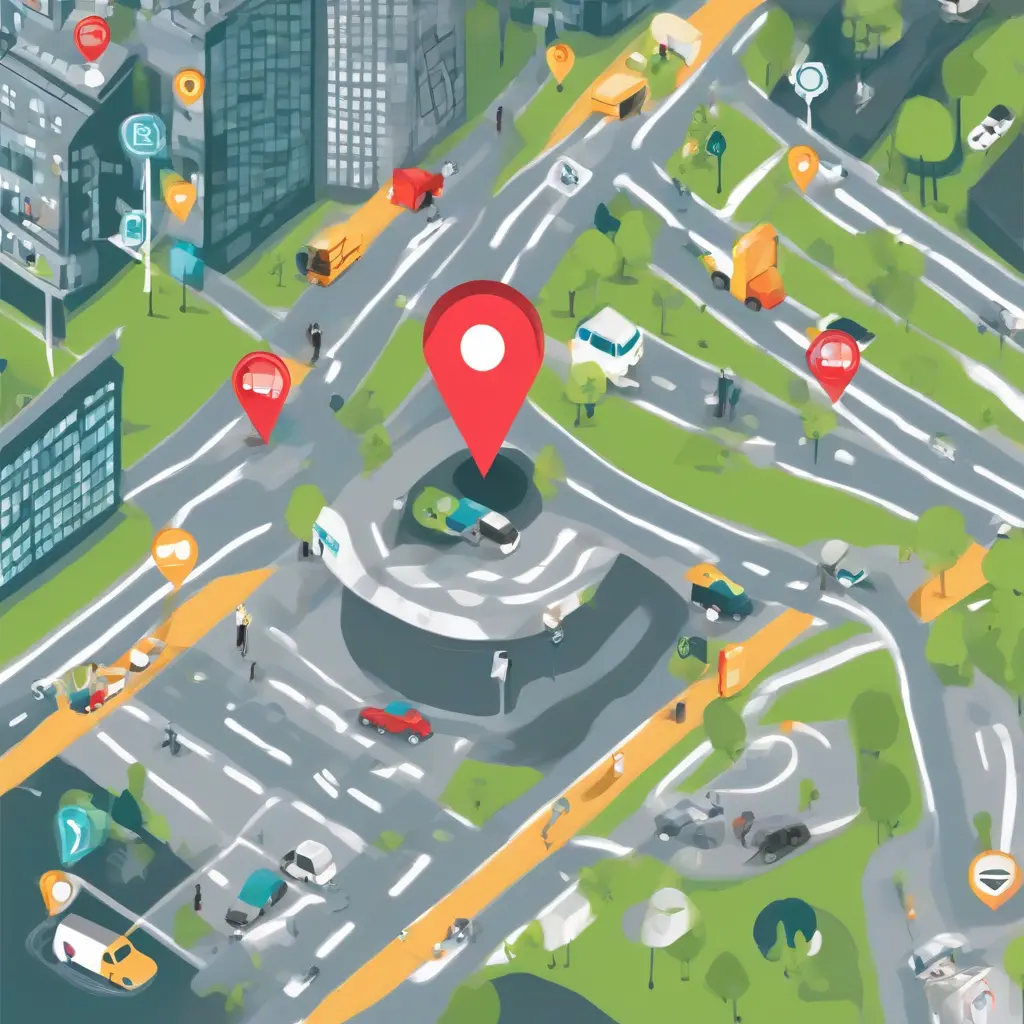
Location sharing technology typically involves GPS, Wi-Fi, and cellular triangulation to pinpoint a user’s location. This technology is embedded in various applications, from social media networks to navigation apps, enabling users to share their real-time location with friends and family. While this functionality can foster connection and enhance safety during travel, it also raises questions about privacy and data security. The ease of sharing one’s location can lead to oversharing and can expose individuals to unwanted attention or even stalking if not managed carefully.
Benefits of Location Sharing for Safety
One of the primary benefits of location sharing is its ability to enhance personal safety. For example, parents can monitor their children’s whereabouts during outings, providing peace of mind. Additionally, location sharing can be crucial during emergencies, allowing friends and family to quickly locate someone in distress. Many ride-sharing services also utilize this feature to ensure that drivers and passengers can confirm each other’s location, creating a level of accountability. Overall, when used with discretion, location sharing can significantly enhance personal security.
Risks Associated with Location Sharing
Despite its advantages, location sharing presents several risks that users must consider. One of the most significant threats is the potential for invasion of privacy; oversharing can lead to unwanted attention from strangers, putting individuals at risk of stalking or harassment. Moreover, malicious actors can exploit shared location data to plan crimes or inflict harm. Breaches in data security can also expose location information to unauthorized parties, leading to severe consequences. Awareness of these risks is crucial for anyone who utilizes location-sharing features.
Best Practices for Safe Location Sharing
To enjoy the benefits of location sharing while minimizing risks, users should adopt best practices. Firstly, it is essential to limit location sharing to trusted individuals. Additionally, users should regularly check privacy settings on their devices and applications to restrict access to their location data. Consider using location sharing features only in specific situations where it is necessary, rather than continuously broadcasting your whereabouts. Being mindful and intentional about how and when you share your location can greatly enhance your safety.
Parental Controls and Location Sharing
For families, location sharing tools can be particularly useful in promoting safety among children and teenagers. Many apps offer parental control features that allow parents to track their children’s locations while ensuring that privacy settings are in place. This capability fosters a sense of security for both parents and kids during outings or school activities. It’s imperative, however, for parents to explain the purpose of sharing locations to their children to encourage responsible use and to cultivate awareness regarding potential risks.
Location Sharing in Professional Settings
In professional environments, location sharing can enhance collaboration and efficiency. For example, teams working in logistics or delivery services may rely on real-time location data to optimize routes and improve communication. However, employers must be mindful of the privacy concerns associated with monitoring employees’ locations. Clear policies should be established to ensure that location sharing is conducted ethically and respectfully, balancing the needs of the business with the privacy rights of employees.
Future of Location Sharing Technologies
As technology continues to advance, the future of location sharing is likely to evolve, creating both opportunities and challenges. Innovations in augmented reality and smart home devices could further enhance location sharing capabilities, integrating them into everyday life. However, these advancements also necessitate stricter privacy regulations to protect users’ data. The ongoing dialogue surrounding data protection, ethical use, and personal privacy will shape how location sharing is approached in the coming years, making awareness crucial for users.
Conclusion
In conclusion, location sharing can significantly impact daily safety, offering numerous benefits while posing potential risks. Awareness and responsible usage are essential to ensure that individuals can enjoy the advantages without compromising their security and privacy. By adopting best practices and remaining informed about the implications of location sharing, users can create a safer digital environment for themselves and their families. Future developments in this technology will require ongoing vigilance and ethical considerations to maintain the balance between connectivity and safety.