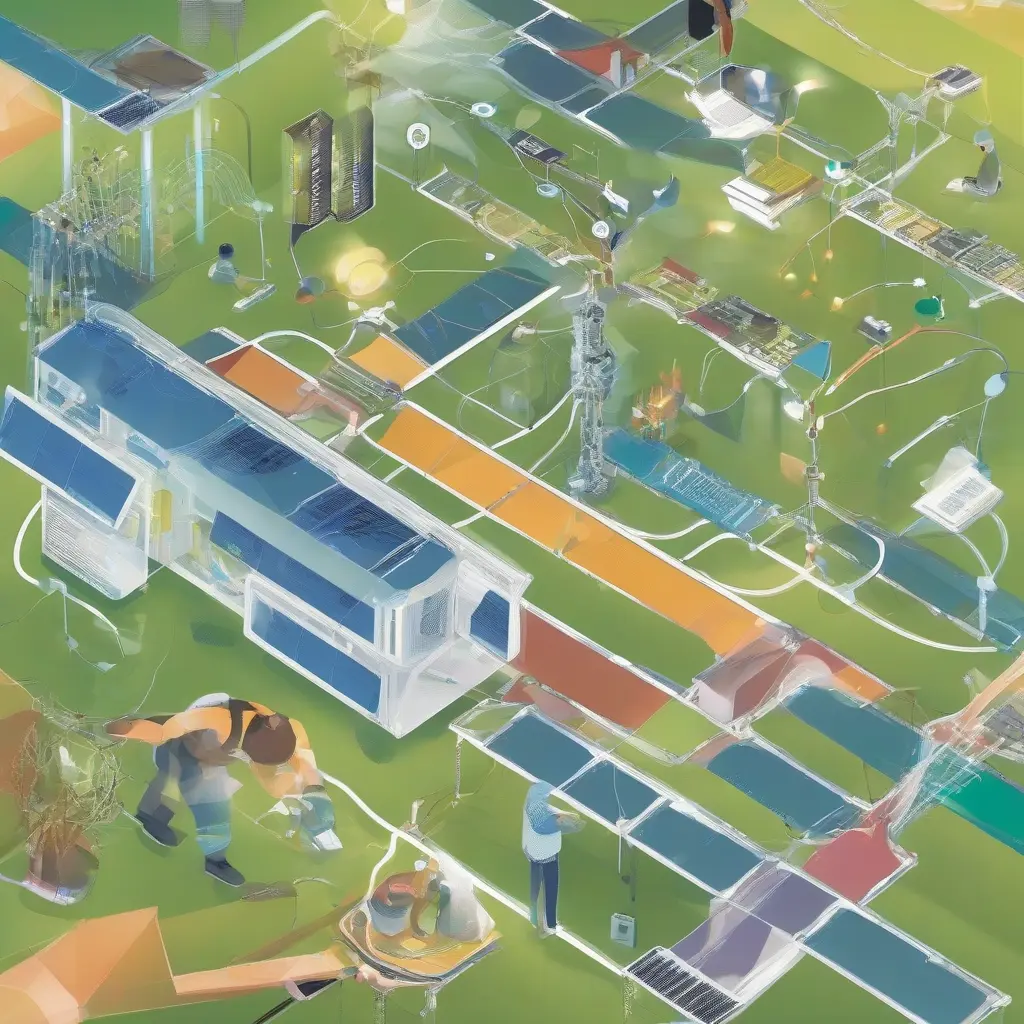
As the world grapples with climate change and environmental degradation, utilizing technological innovations offers viable solutions for sustainable living. In recent years, advances in technology have made it easier for individuals and communities to reduce their ecological footprint. This article aims to explore various tech-driven approaches towards sustainable living, providing insights into how we can leverage these innovations in our daily lives. From smart homes to renewable energy alternatives, let’s delve into the myriad ways technology can foster an environmentally-friendly lifestyle.
Smart Home Technology
Smart home technology drastically changes how we consume energy, making living spaces more efficient. Devices like smart thermostats, lighting systems, and energy monitors allow homeowners to optimize energy use, reducing waste. For example, smart thermostats learn user patterns and adjust heating or cooling accordingly, which can lead to significant savings on energy bills while minimizing carbon emissions. Additionally, integrating smart appliances can further enhance energy efficiency, encouraging sustainable practices and reducing reliance on non-renewable resources.
Renewable Energy Solutions
Investing in renewable energy solutions such as solar panels and wind turbines is essential for sustainable living. These technologies harness natural resources to produce clean energy, significantly lowering dependence on fossil fuels. Solar panels, for instance, convert sunlight into electricity, which can power homes or be stored for later use. By employing these systems, individuals can reduce greenhouse gas emissions while potentially saving on energy costs in the long run, creating a win-win scenario for both the environment and household budgets.
Water Conservation Technologies
Advanced water conservation technologies are crucial in countering global water scarcity issues. Innovations such as smart irrigation systems and low-flow fixtures help in efficiently managing water resources. Smart irrigation controllers tailor watering schedules based on weather forecast data and soil moisture levels, thus ensuring plants receive adequate water without unnecessary waste. Additionally, low-flow faucets and showerheads reduce water flow without compromising performance, making it easier to conserve this vital resource in everyday activities.
Sustainable Transportation Options
The transition to sustainable transportation options can significantly reduce urban pollution and carbon emissions. Electric vehicles (EVs) have become increasingly popular due to advancements in battery technology and charging infrastructure, making them a practical choice for eco-conscious drivers. Furthermore, public transportation systems that incorporate technology, such as real-time tracking apps, have made it easier for users to adopt mass transit solutions. Biking and walking, supported by technology like bicycle-sharing programs and navigation apps, also contribute to reducing the carbon footprint.
Waste Management Innovations
Innovations in waste management are essential for promoting a circular economy where resources are reused and recycled. Technologies like smart bins equipped with sensors monitor waste levels, optimizing collection routes and schedules for municipal services. Additionally, composting technologies allow households to turn organic waste into valuable soil amendments, reducing the volume of waste sent to landfills. By adopting these smart waste solutions, communities can significantly minimize environmental impact while promoting sustainable practices.
Energy Efficient Appliances
The adoption of energy-efficient appliances is a fundamental step towards reducing carbon emissions in households. Appliances graded with ENERGY STAR certification meet strict efficiency guidelines, ensuring that they consume less energy while delivering superior performance. From refrigerators to washing machines, these devices not only lower energy bills but also contribute to a significant reduction in greenhouse gas emissions. As consumers become more aware of their choices, investing in such appliances ultimately supports a sustainable lifestyle.
Digital Solutions for Sustainable Living
Digital applications and platforms have emerged as powerful tools for promoting sustainable living. Mobile apps dedicated to tracking energy usage or encouraging eco-friendly habits help individuals monitor their consumption patterns and make adjustments accordingly. Platforms that facilitate local sharing of resources and services, such as ride-sharing or tool libraries, encourage a community-oriented approach that reduces waste. By leveraging these digital solutions, individuals can engage actively in more sustainable practices while fostering a sense of community.
The Role of Education in Sustainable Tech
Education plays a crucial role in promoting awareness and understanding of sustainable technologies. Providing information about the benefits and practices of using innovative solutions fosters a culture of sustainability. Schools, communities, and organizations can implement programs that highlight practical applications of technology in everyday life. Workshops and seminars can also empower individuals with the knowledge to make informed decisions, ultimately driving the adoption of tech innovations for a greener future.
Community Initiatives and Collaborations
Community initiatives focused on sustainability often involve collaborative efforts that integrate technology for broader impact. Group projects, such as community solar farms or local recycling programs, harness collective resources to maximize efficiency. By utilizing tech tools for organizing and communication, communities can engage more effectively in sustainability efforts. This collective action not only enhances the implementation of tech-driven solutions but also strengthens social ties and fosters a shared responsibility for the environment.
Conclusion
Incorporating tech innovations into sustainable living practices offers promising avenues for reducing our environmental impact. From smart home technologies to renewable energy solutions, the potential benefits are extensive. Communities and individuals can significantly contribute to a cleaner, greener planet by embracing these advancements consciously. Sustainable living is not a solitary journey; it flourishes through collective efforts and informed choices. As we continue to evolve alongside technological advancements, the opportunity to foster a sustainable future remains firmly within reach.