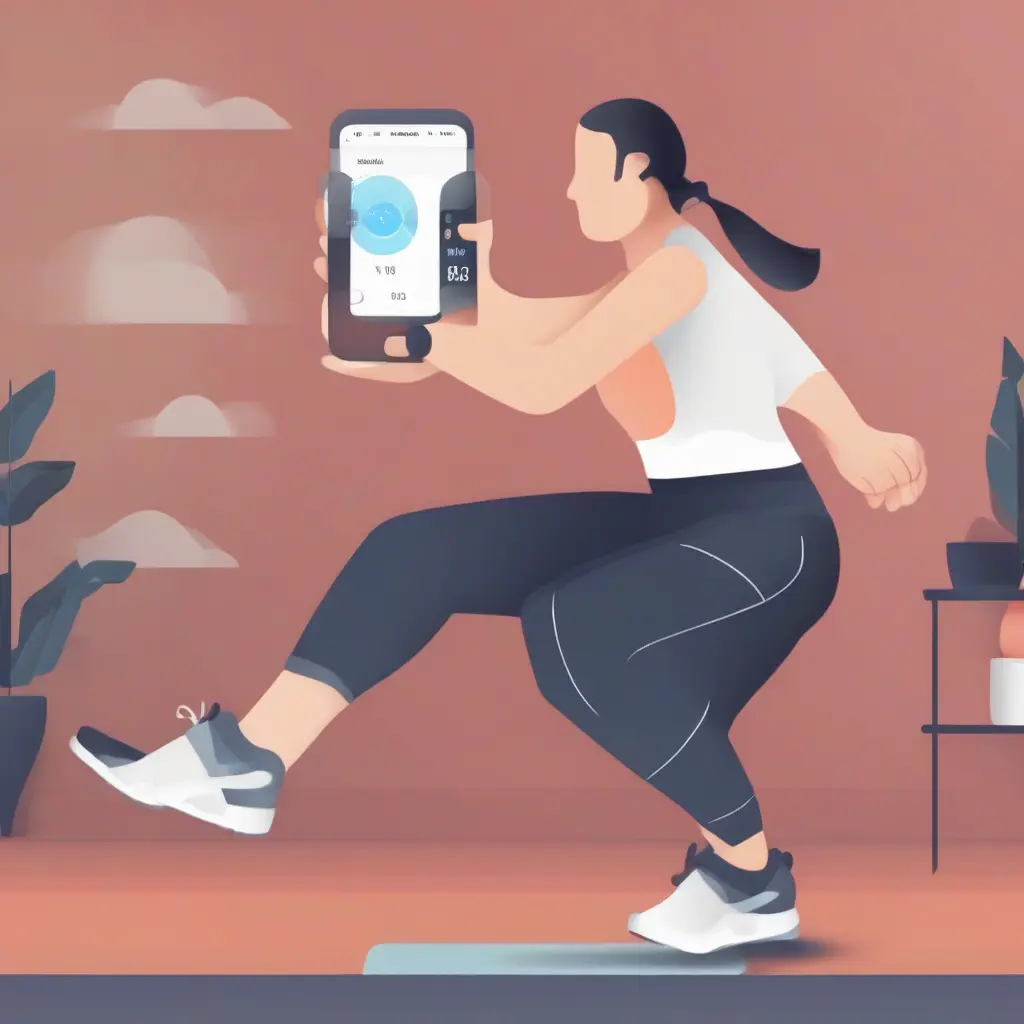
In today’s digital age, staying active while working a sedentary job can be challenging. Fitness tracking apps are an excellent solution, helping individuals monitor their activity levels and providing tools to inspire movement. By integrating these applications into daily routines, employees can combat the adverse effects of prolonged sitting and enhance overall well-being. This article explores how to effectively utilize fitness tracking apps to stay active during long work hours, ensuring that health remains a priority amid busy schedules.
Understanding Fitness Tracking Apps
Fitness tracking apps have gained popularity for their ability to monitor various aspects of health and fitness. These apps typically track steps taken, calories burned, sleep patterns, and active minutes throughout the day. Many offer additional features such as reminders to move or workout suggestions, making them versatile tools for maintaining an active lifestyle. Understanding the specific features of these apps can aid users in selecting one that aligns with their fitness goals, making it easier to establish a routine.
Choosing the Right App for Your Needs
Selecting the right fitness tracking app is crucial to successfully incorporating it into your daily life. Popular options include MyFitnessPal, Fitbit, and Strava, each offering unique features. Consider your specific needs, such as whether you want detailed nutritional tracking, social networking features, or enhanced health monitoring. Researching user reviews and comparing functionalities can facilitate a better choice, ensuring the app supports your efforts to stay active while managing a sedentary job.
Setting Realistic Goals
To maximize the benefits of fitness tracking apps, setting realistic and achievable goals is essential. Instead of aiming for large, overwhelming milestones, break down your objectives into smaller, manageable targets. For instance, aim to increase your daily step count gradually or incorporate short exercise sessions during breaks. Realistic goals not only enhance motivation but also create a sustainable routine that can lead to long-term health benefits.
Utilizing Reminders for Movement
Most fitness tracking apps come equipped with reminder features that help encourage movement throughout the day. Set reminders to stand up, stretch, or take a short walk every hour. These alerts can combat the strain of prolonged sitting, enhancing circulation and reducing fatigue. Regular short breaks can significantly improve focus and productivity during work hours, ensuring you remain energized and engaged.
Incorporating Exercise into Breaks
Utilizing breaks for exercise is another effective strategy to remain active during a sedentary job. Short workouts or stretching sessions can fit into lunch or coffee breaks, making it easier to prioritize physical activity. Consider using fitness tracking apps to plan quick workouts that can be done in or outside the office. Even brief exercises can elevate mood, reduce stress, and increase overall fitness levels, proving beneficial both for personal health and work performance.
Collaborating with Colleagues
Motivating colleagues to join fitness initiatives can foster a positive work environment and enhance accountability. Many fitness tracking apps allow users to connect with friends, share progress, and even participate in challenges. Collective efforts not only make fitness fun but also encourage regular movement that can break the monotony of a sedentary workday. Building a community around fitness objectives amplifies motivation and makes the process enjoyable.
Tracking Progress and Celebrating Achievements
Monitoring progress is essential for staying motivated and committed to fitness goals. Fitness tracking apps provide insights into your daily activity levels, helping you visualize improvements over time. Celebrate small achievements, whether it’s reaching a new step count or completing a set workout. Such recognition can boost morale and encourage continued dedication, making it easier to integrate active habits into your daily life.
Choosing Workplace-Friendly Exercises
When working at a desk, selecting exercises that are suitable for the workplace environment is vital. Opt for movements that require minimal space and avoid disruption, such as seated leg raises, desk push-ups, or standing calf raises. Utilizing fitness tracking apps, you can discover quick routines that fit seamlessly into the workday without needing specialized equipment, ensuring that staying active is both practical and effective.
Maintaining a Healthy Lifestyle Beyond Work
Fitness tracking apps can extend their benefits beyond the workplace by encouraging users to maintain a healthy lifestyle overall. Tracking not just steps but also sleep quality and dietary habits creates a holistic view of health. By being mindful of these areas, individuals can make informed choices that contribute to better health outcomes. Developing a balanced routine enhances both physical well-being and mental clarity, essential for thriving in a demanding work environment.
Conclusion
Incorporating fitness tracking apps into your daily routine can significantly enhance your ability to stay active in a sedentary job. By setting achievable goals, utilizing reminders, and involving colleagues, individuals can create a supportive and motivating environment for fitness. Ultimately, prioritizing movement throughout the workday not only improves physical health but also boosts mental well-being, showcasing the integral role of activity in a balanced lifestyle.