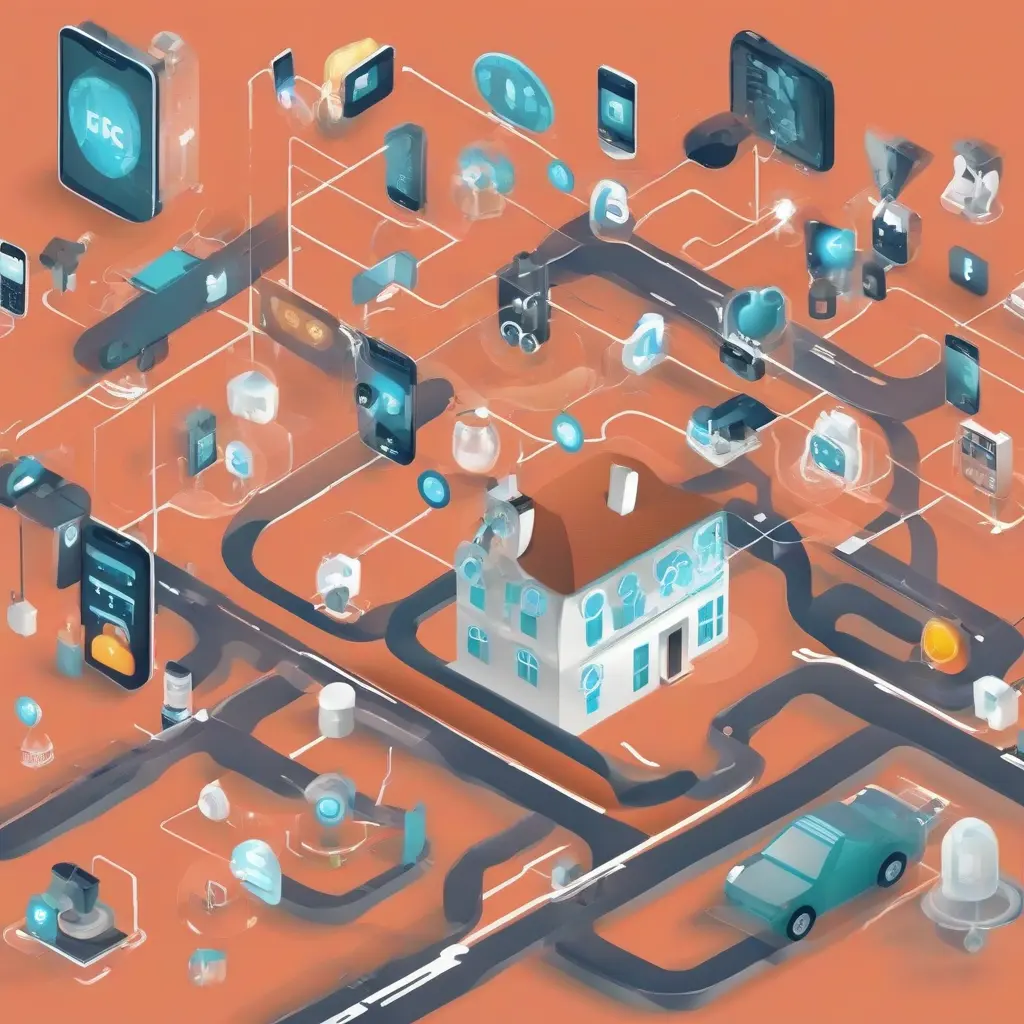
The proliferation of Internet of Things (IoT) devices has transformed our everyday lives, bringing unprecedented convenience and connectivity. However, this evolution also introduces significant dangers, including data breaches, unauthorized surveillance, and lack of user control. As more devices connect to the internet, understanding the potential security risks and adopting the right precautions is crucial. This article aims to inform readers about the various dangers related to IoT devices and provide guidance on how to effectively safeguard their personal information while enjoying the benefits of technology.
What Are IoT Devices?
IoT devices refer to everyday objects that connect to the internet to send and receive data, facilitating remote control and automation. These devices range from smart home products, like thermostats and lights, to wearable fitness trackers and connected appliances. The main advantage of IoT devices is their ability to enhance efficiency and convenience in various aspects of daily life. However, their constant connectivity also raises concerns regarding privacy and security, making it essential to understand how they function and their potential vulnerabilities.
Common Security Risks of IoT Devices
IoT devices pose several security risks, primarily due to weak encryption, outdated firmware, and insufficient security protocols. Hackers can exploit these vulnerabilities to access personal data, control devices remotely, or launch broader attacks. For instance, compromised devices can be used as entry points into home networks, enabling unauthorized users to infiltrate other connected systems. Moreover, the sheer number of IoT devices makes it increasingly challenging to keep all software updated and secure. Therefore, awareness of these risks is crucial for users.
Data Privacy Concerns
Data privacy is another significant concern associated with IoT devices, as these gadgets often collect vast amounts of personal information. Data generated from usage patterns, interactions, and even location may be stored in cloud servers, raising questions about who can access this information and for what purposes. In some cases, data might be shared with third parties without users’ explicit consent, leading to further privacy violations. Understanding the implications of data sharing is essential in navigating the IoT landscape.
Consequences of IoT Vulnerabilities
The consequences of IoT vulnerabilities can be severe, affecting not only individual users but also larger systems and networks. For example, compromised devices can lead to identity theft, financial loss, or unauthorized surveillance. In extreme cases, hackers can gain access to critical infrastructure, potentially causing disruptions in essential services or posing threats to public safety. Therefore, addressing these vulnerabilities is not just a matter of personal security; it has broader implications for societal safety and trust in technology.
How to Secure Your IoT Devices
Securing IoT devices requires a proactive approach to mitigate potential risks effectively. First, users should change default passwords immediately upon setup, opting for strong, unique passwords. Regularly updating firmware and software can also help protect against known vulnerabilities. Additionally, enabling two-factor authentication wherever possible adds an extra layer of security. Users should only connect devices that are necessary and review their privacy settings to limit the data shared with third parties for enhanced protections.
The Role of Strong Passwords
Strong passwords are critical to protecting IoT devices from unauthorized access. Users should avoid simple or predictable passwords, opting instead for combinations of letters, numbers, and special characters. Implementing a password manager can help in generating and storing complex passwords securely. Also, it’s advisable to use unique passwords for different devices to prevent a single breach from compromising multiple accounts. Maintaining strong password hygiene is a fundamental step in securing IoT ecosystems.
Regular Firmware Updates
Regular firmware updates are crucial to enhance the security of IoT devices. Manufacturers frequently release updates to address vulnerabilities and improve functionality. Users should enable automatic updates when available or periodically check for updates manually. Neglecting to install these updates can leave devices susceptible to exploitation by malicious actors. Staying informed about the latest updates and adhering to best practices can significantly enhance the security of connected devices.
Choosing Secure Networks
Using secure networks is vital for protecting IoT devices from external threats. Public Wi-Fi networks are particularly risky, as they may expose devices to interception and unauthorized access. Instead, users should connect IoT devices to a secure home network with strong Wi-Fi encryption. Setting up a separate network for smart devices can also minimize risks associated with potential vulnerabilities. This segmentation allows more control over which devices can communicate with each other and limits the scope of potential breaches.
Educating Yourself About IoT Security
Staying informed about IoT security is essential for users to navigate the complexities of connected technology effectively. Regularly reading articles, attending webinars, and participating in community discussions can provide valuable insights into emerging threats and best practices. Various organizations and security experts frequently publish resources aimed at increasing public awareness regarding IoT vulnerabilities. By remaining educated, users can take informed measures to bolster their security and privacy while benefiting from IoT innovations.
Conclusion
Understanding the dangers associated with IoT devices is imperative in today’s technology-driven society. By being aware of potential security risks and employing preventative measures, users can significantly reduce their vulnerability to data breaches and invasions of privacy. As technology continues to evolve, a proactive approach to IoT security will become increasingly necessary to ensure that users can safely enjoy the conveniences these devices offer.