Health apps have emerged as essential tools for managing common lifestyle diseases, particularly in India where urbanization and dietary changes have increased prevalence rates. These applications can help users monitor their health metrics, set fitness goals, and access vital information about nutrition and exercise. As more individuals turn to technology for health management, understanding how to effectively utilize these apps is crucial. This article explores various categories of health apps and their specific benefits in controlling diseases such as diabetes, hypertension, and obesity.
Understanding Lifestyle Diseases in India
Lifestyle diseases, including diabetes, hypertension, and cardiovascular disorders, significantly impact public health in India. This shift towards sedentary lifestyles, coupled with unhealthy eating habits, has led to a rise in these conditions among various age groups. The rapid urbanization and availability of processed foods have exacerbated the situation, making it vital for individuals to take proactive measures in managing their health. Awareness and education, powered by technology, can play a pivotal role in reversing these trends and promoting healthier lifestyles.
The Role of Health Apps
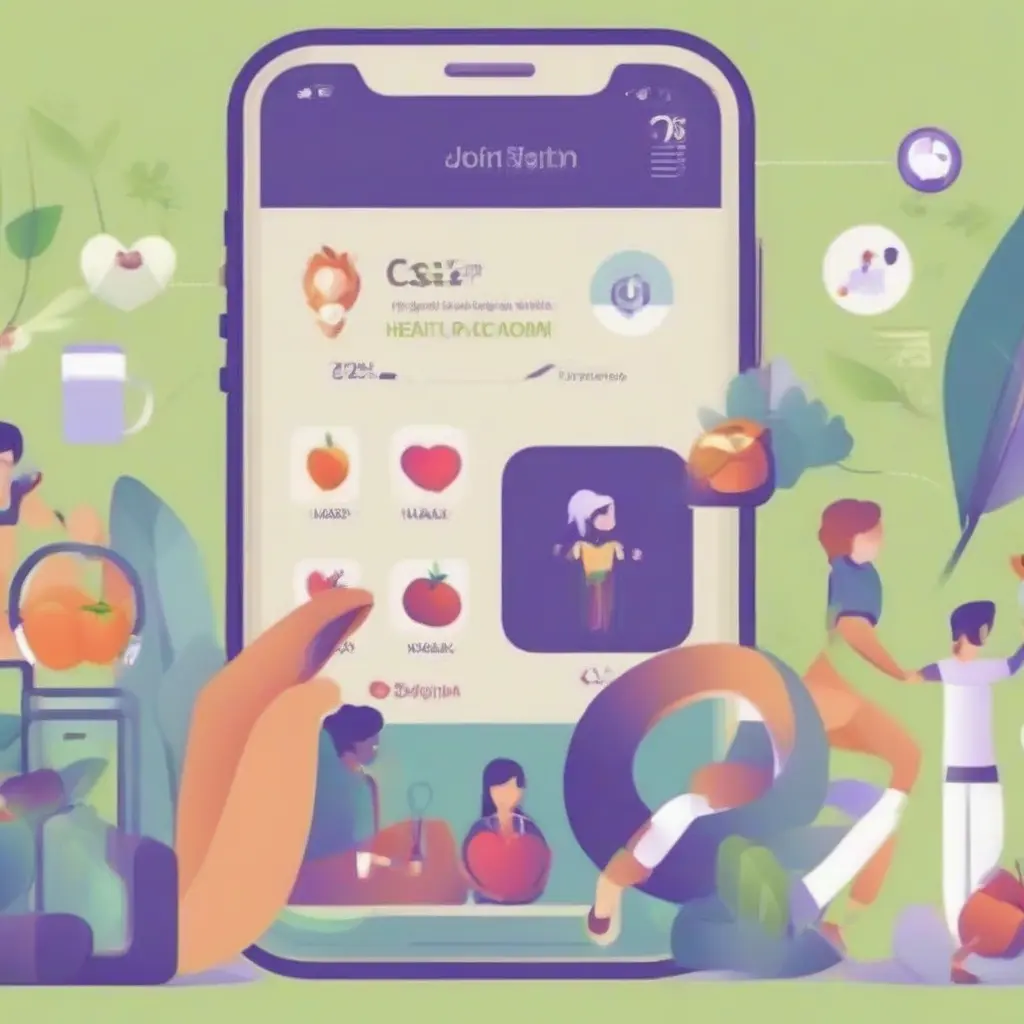
Health apps serve as accessible platforms for individuals to track their health and manage lifestyle diseases effectively. They typically offer features such as daily activity tracking, calorie counting, and reminders for medications, making them invaluable for users. Additionally, many apps are equipped with educational resources that provide customized advice based on personal health metrics. By facilitating self-monitoring and promoting accountability, these applications empower individuals to make informed decisions about their health.
Types of Health Apps Available
A variety of health apps are available to cater to different needs, from fitness trackers to diet planners and medication reminders. Fitness tracker apps monitor physical activity by using GPS and motion sensors, while diet planner applications assist users in managing their food intake by analyzing nutritional content. Furthermore, medication reminder apps ensure that individuals adhere to prescribed drug schedules, which is particularly useful for chronic disease management. Each type of app provides unique benefits that contribute to better health outcomes.
Setting Realistic Health Goals
When using health apps, it is crucial to set realistic and achievable health goals. Goals should be specific, measurable, actionable, relevant, and time-bound (SMART) to ensure that users remain motivated. For instance, instead of targeting an unrealistic weight loss goal in a brief period, aiming for a gradual, steady loss can lead to better results. Most health apps are designed to help set these types of goals, ensuring that users stay on track and can monitor their progress effectively.
Tracking Diet and Nutrition
Diet plays a significant role in managing lifestyle diseases, making nutritional tracking a priority. Many health apps come equipped with extensive food databases that allow users to log their meals and monitor their caloric and nutrient intake. This enables individuals to understand their eating habits and make necessary adjustments to promote healthier choices. By analyzing dietary patterns through app insights, users can better manage conditions like diabetes and cardiovascular diseases, ensuring they meet their nutritional requirements.
Incorporating Physical Activity
Regular physical activity is essential for managing lifestyle diseases effectively. Health apps typically provide exercise options ranging from home workouts to guided fitness routines. Users can select from a variety of exercises tailored to their fitness levels and preferences, ensuring they stay engaged. Additionally, these apps allow for tracking of activity levels, motivating users to reach their fitness goals while consistently promoting a more active lifestyle.
Utilizing Data Analytics
The advanced analytical tools in health apps provide users with vital insights into their health trends over time. By tracking various metrics such as weight, blood pressure, and activity levels, individuals can identify patterns and make informed decisions. Some apps also allow data sharing with healthcare professionals, facilitating better communication and treatment adjustments. This data-driven approach enables users to take charge of their health management proactively.
Engaging with Health Communities
Many health apps feature community forums where users can connect with others facing similar challenges. This helps foster a sense of belonging and encouragement among users working towards similar health goals. Engaging with these communities can provide emotional support, share success stories, and allow individuals to exchange useful health tips. Such interactions often enhance motivation and persistence in managing lifestyle diseases.
Integrating Professional Guidance
Though health apps provide substantial tools for management, integrating professional medical advice is essential for optimal health outcomes. Often, these apps can connect users with healthcare providers who can offer tailored advice and modify health plans based on individual needs. Regular check-ins with a healthcare professional can help ensure that users are on the right track, reinforcing the importance of combining technology with expert guidance.
Ensuring Data Privacy and Security
As users increasingly rely on health apps for personal data tracking, ensuring data privacy and security becomes paramount. It is essential to choose apps that comply with data protection regulations and offer robust security features. Users should read privacy policies carefully, understanding how their data will be used and sharing preferences. By taking appropriate measures, individuals can enjoy the benefits of health apps while safeguarding their sensitive information.
The Future of Health Apps in Disease Management
As technology continues to evolve, the future of health apps appears promising in managing lifestyle diseases. Innovations like artificial intelligence and machine learning are expected to enhance personalization, providing tailored health recommendations based on user behavior. Furthermore, with the integration of wearable technologies, health tracking could be made even more seamless. This evolution could revolutionize the way health management is approached, enabling more effective disease control and improved health outcomes.
Conclusion
Health apps present valuable opportunities for managing common lifestyle diseases in India by promoting self-monitoring, education, and community support. By leveraging technology, individuals can take control of their health journeys and make informed decisions that lead to better health outcomes. As these tools continue to advance, a greater emphasis on integrating professional guidance and data security will ensure their efficacy and trustworthiness in the long run.