As digital security threats continue to evolve, the need for stronger authentication methods has never been more critical. Biometric security tools, which use unique biological traits for identity verification, offer advanced protection against unauthorized access. This article explores various biometric technologies, their applications, and best practices for implementation, empowering organizations and individuals to enhance their security posture.
What Are Biometric Authentication Methods?
Biometric authentication methods utilize unique physical characteristics to verify an individual’s identity. Common types include fingerprint scanning, facial recognition, iris recognition, and voice verification. These systems measure specific traits, providing a higher level of security compared to traditional methods like passwords or PINs. The essence of biometric security lies in its ability to ensure that credentials are intrinsically linked to the person, making unauthorized access more challenging.
Advantages of Biometric Security Tools
Biometric security tools offer several advantages that elevate their effectiveness in authentication. One primary benefit is convenience; users do not need to remember complex passwords or carry physical tokens. Biometric systems are generally faster to use, enabling quicker access to devices and secure areas. Moreover, they often incorporate advanced encryption techniques, greatly reducing the risk of data breaches and identity theft.
Common Biometric Technologies
Several common biometric technologies are widely used today, including fingerprint scanners, facial recognition systems, and iris scanners. Fingerprint recognition remains the most prevalent, utilized in smartphones and security systems. Facial recognition software has gained popularity in surveillance and access control, while iris recognition offers enhanced accuracy in sensitive environments. Each technology has specific applications, advantages, and limitations that should be understood.
How Biometric Security Works
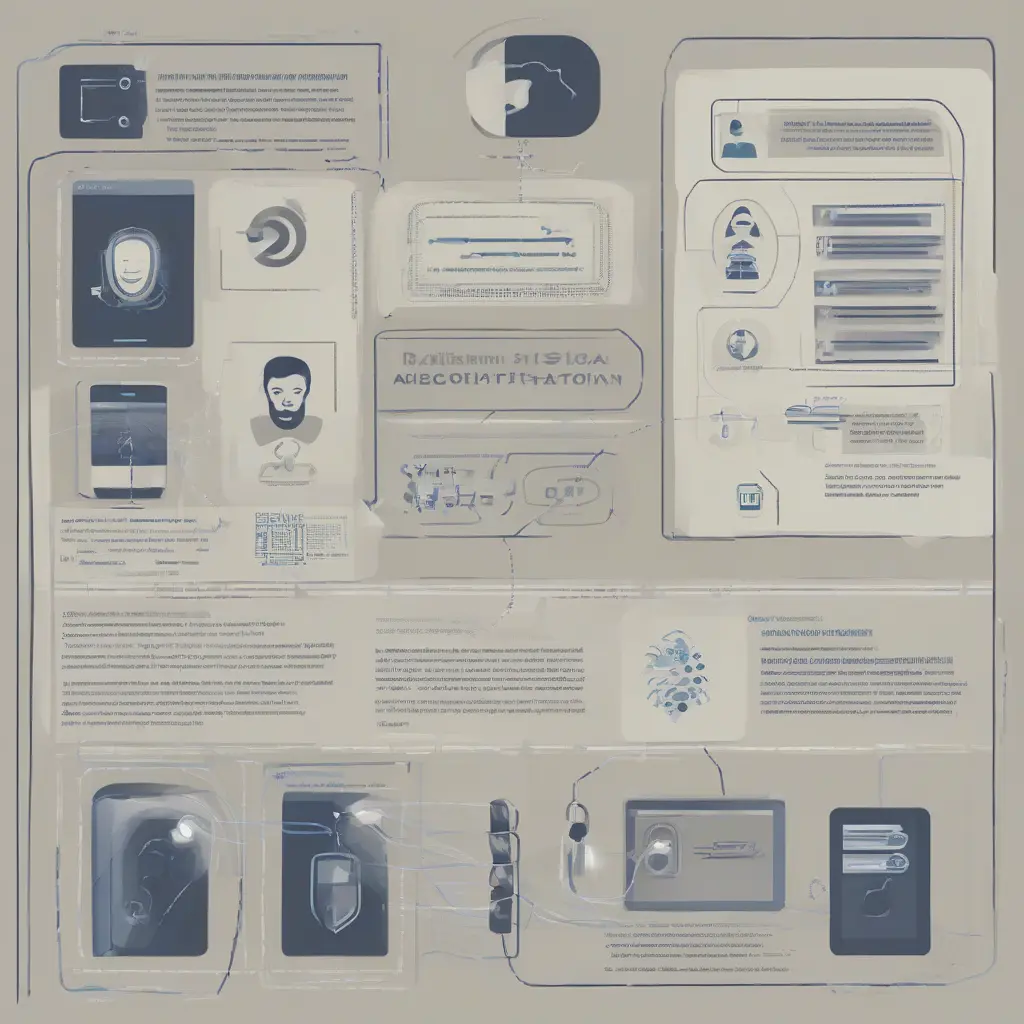
Biometric security works by capturing and analyzing distinct traits of an individual. When a user attempts to authenticate, the biometric device scans the specified trait, converting it into a digital template. This template is then compared against previously stored data to verify identity. For effective authentication, systems use algorithms that account for variations in measurements, ensuring that even slight changes in traits do not hinder access.
Applications of Biometric Authentication
Biometric authentication is increasingly used across various sectors, including banking, healthcare, and corporate settings. In finance, banks employ biometric systems for secure transactions and fraud prevention. The healthcare industry utilizes biometric verification to protect patient records and streamline access to sensitive data. Additionally, businesses are integrating biometric tools to enhance employee security and reduce administrative overhead associated with password management.
Challenges in Implementing Biometric Security
While implementing biometric security solutions offers many advantages, it also presents several challenges. One significant issue is privacy concerns; users may be apprehensive about their biometric data being collected and stored, leading to potential misuse. Furthermore, biometric systems can be vulnerable to spoofing attempts, where malicious actors imitate biological traits. Organizations must ensure robust security measures and compliance with privacy regulations to address these concerns.
Best Practices for Biometric Security Implementation
To ensure effective biometric security implementation, organizations should adopt several best practices. First, it is vital to choose reliable biometric technology that suits organizational needs. Conducting thorough risk assessments can help identify vulnerable areas where biometric systems would be most beneficial. Additionally, combining biometric methods with multi-factor authentication (MFA) enhances security, providing an extra layer of protection against unauthorized access.
Future Trends in Biometric Security
The future of biometric security is promising, with numerous trends emerging that will shape its evolution. Advancements in artificial intelligence and machine learning are enhancing biometric recognition accuracy and speed. Moreover, the integration of biometric technology with wearable devices is gaining momentum, enabling seamless user experiences. As public awareness of cybersecurity grows, the adoption of biometric methods in everyday applications will likely increase.
Comparing Biometric vs. Traditional Authentication
When comparing biometric to traditional authentication methods, key differences emerge in security and user experience. Traditional methods, such as passwords and PINs, are often prone to weaknesses, including theft, loss, or forgetting. In contrast, biometric authentication relies on unique biological traits that cannot be easily replicated or stolen. This fundamental disparity highlights the potential of biometrics to provide a more robust security framework in today’s digital landscape.
Legal and Ethical Considerations
The use of biometric security raises various legal and ethical considerations that organizations must navigate. Privacy laws vary globally, with different regulations governing how biometric information is collected, stored, and used. Organizations should ensure compliance with relevant legislation to mitigate legal risks. Additionally, ethical practices in biometric data management, including transparency and user consent, are critical to building trust among users and stakeholders.
Conclusion
In conclusion, biometric security tools provide a powerful means of enhancing authentication methods in various contexts. While they offer numerous benefits, businesses and individuals must consider the accompanying challenges, including privacy and security concerns. By adopting best practices and staying informed about trends and regulations, organizations can effectively leverage biometric technology to protect sensitive information and maintain trust.