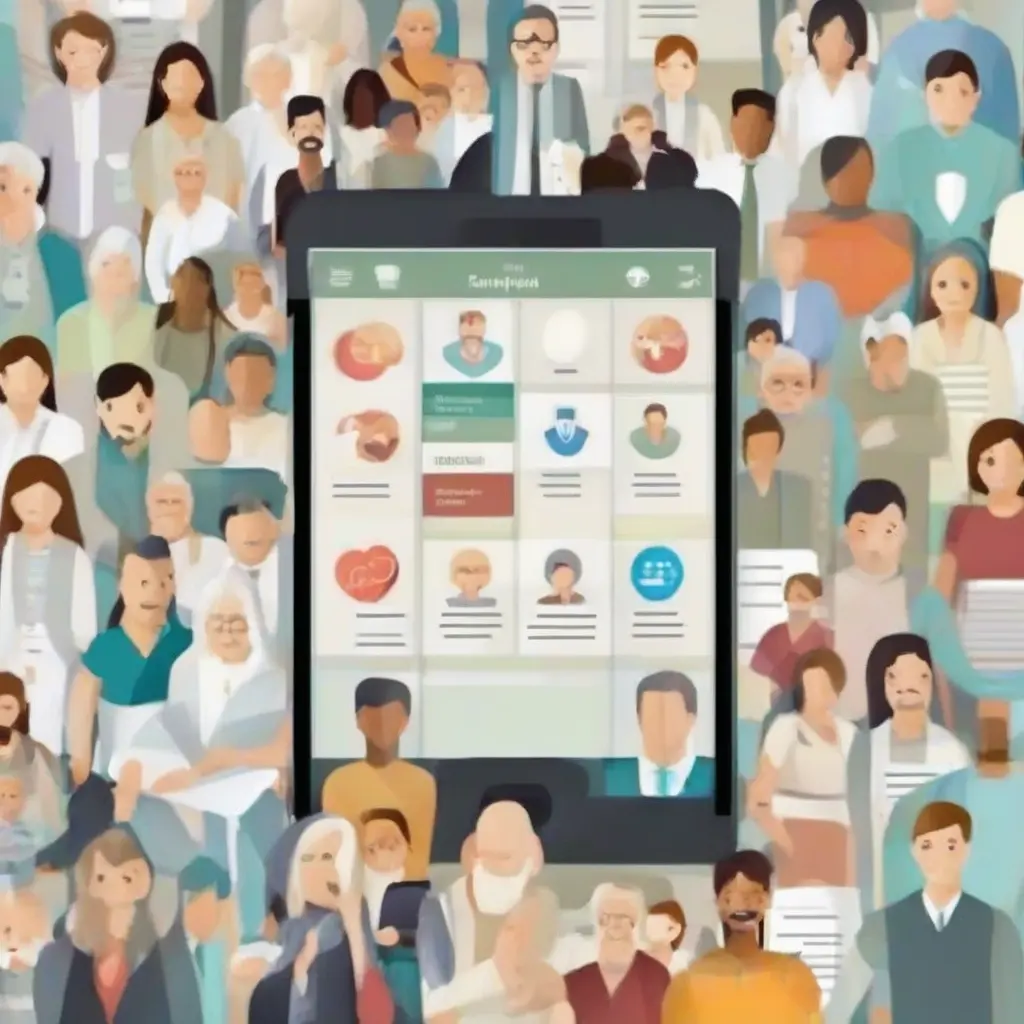
Managing family health records is crucial for ensuring comprehensive care and timely medical interventions. In India, where healthcare facilities may vary widely, using applications can simplify the process of tracking health information. These apps allow families to store medical histories, vaccination records, and various health metrics, making it easier to monitor individual and collective health. With a growing trend towards digital health solutions, it’s essential to understand how these tools can empower families to manage their health data efficiently. This article will explore the benefits, features, and various apps available for managing family health records in India.
Understanding the Importance of Family Health Records
Family health records serve as a vital repository of information that can influence medical decisions. These records include past illnesses, allergies, vaccination statuses, and prominent family health issues, which aid healthcare providers in delivering accurate diagnoses and treatments. Moreover, having organized health records helps in making informed decisions during emergencies and routine checkups. By retaining a centralized record, families can ensure that every member’s health is continuously monitored, thereby addressing potential issues proactively. This strategic approach not only enhances individual well-being but also contributes to the overall health of the family unit.
Benefits of Using Apps for Managing Health Records
Using apps to manage family health records offers numerous advantages, including improved accessibility and efficiency. Digital records reduce the likelihood of losing important paperwork and allow for quicker retrieval of essential information. Moreover, many health apps come equipped with features like reminders for vaccinations and medication schedules, ensuring that families stay on top of their health commitments. The ability to share records with healthcare providers seamlessly can enhance communication and make appointments more effective. Overall, using apps promotes better organization, saves time, and helps maintain health consistency across family members.
Popular Health Management Apps in India
There are several popular health management apps available in India, catering to diverse family needs. Apps like Practo, HealthifyMe, and Medplus Mart offer comprehensive features that allow users to track health metrics, store prescriptions, and schedule doctor appointments. Each app has unique elements tailored for Indian users, making it easier to navigate and use relevant local healthcare resources. For families, these apps not only serve as a repository for medical records but also provide tools for lifestyle management, fitness tracking, and dietary advice, blending health and wellness in a single platform.
Key Features to Look For in Health Record Apps
When choosing an app to manage family health records, certain features are crucial for an optimal experience. Look for apps that offer user-friendly interfaces, easy data entry, and secure cloud storage for data protection. Additionally, features such as customizable dashboards, medication reminders, and the ability to share records with professionals are essential for maximizing utility. Some apps even allow users to integrate wearables or health devices, providing real-time data tracking. Prioritizing these key features ensures that the chosen app meets the family’s specific needs and enhances their health management capabilities.
Data Security and Privacy Considerations
As health records contain sensitive personal information, data security and privacy are paramount. When selecting an app, it’s essential to review its security measures, including data encryption and compliance with local regulations regarding health information. Ensure that the app provides clear privacy policies, detailing how data is stored, used, and shared. Opting for apps known for their commitment to privacy can provide peace of mind. Additionally, educating family members about safe data sharing practices helps mitigate risks, ensuring that health information is protected while being conveniently accessible.
Integrating Health Apps with Other Technology
Integrating health management apps with other technologies enhances their functionality and user experience. Many apps can connect with health wearables, such as smartwatches and fitness trackers, allowing for automatic data syncing. This feature provides real-time insights into physical activity, heart rate, and sleep patterns. Moreover, some apps offer compatibility with electronic health records (EHR) systems used by clinics and hospitals, streamlining communication between patients and healthcare providers. By leveraging technology integration, families can create a comprehensive health monitoring ecosystem, making management more insightful and effective.
Setting Up Your Family Health Record System
Establishing a family health record system using apps involves several straightforward steps. First, select an app that aligns with your family’s needs and download it onto your devices. Next, create unique profiles for each family member, ensuring that all relevant health information is entered accurately—this may include medical histories, allergy information, and immunization records. Regularly update this information as new medical incidents occur or when health metrics change. Encourage all family members to actively participate in this process, fostering a culture of health awareness and accountability within the family.
Challenges and Solutions in Managing Health Records
While managing family health records through apps is beneficial, it comes with its challenges. Common issues include data entry errors, lack of user engagement, and technological difficulties. To address these challenges, establish a routine for updating health information, and ensure that all family members are educated about using the app effectively. Regular family discussions about health can also promote user engagement and accountability. Additionally, leveraging customer support from the app can help resolve any technical difficulties, ensuring a seamless user experience and effective health management.
Future of Health Record Management in India
The future of health record management in India is promising, especially with the increasing adoption of technology in healthcare. As more individuals and families turn to digital solutions, we can expect advancements in app functionalities, such as AI-driven health insights and improved interoperability with healthcare systems. Furthermore, initiatives by the Indian government emphasizing digital health records may enhance accessibility and standardization across various platforms. With ongoing innovation, managing family health records through apps will likely become an integral part of the healthcare experience, leading to improved health outcomes for families nationwide.
Conclusion
In conclusion, managing family health records using apps in India presents a practical and efficient solution for improving health management. By leveraging the benefits of digital tools, families can ensure that their health data is organized, secure, and accessible. Incorporating health apps not only streamlines record-keeping but also fosters a proactive approach to overall family wellness. As technology continues to advance, embracing these apps can play a critical role in facilitating better healthcare experiences, ultimately leading to healthier families.