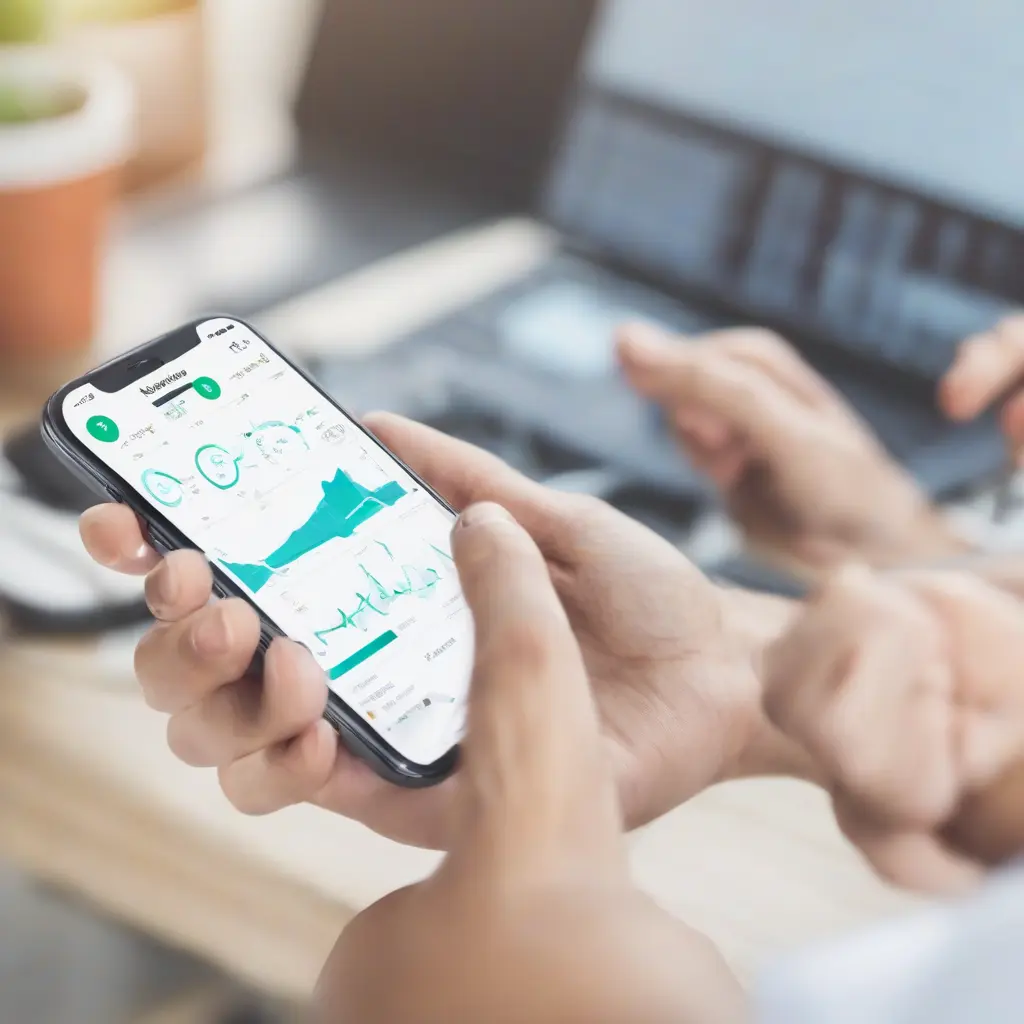
Navigating the healthcare landscape, especially for chronic conditions, can be challenging. With the rise of digital health technologies, health monitoring apps have emerged as vital tools for patients in India. These apps can help track symptoms, medication schedules, vital health metrics, and doctor appointments, providing patients with comprehensive management over their conditions. However, with numerous options available in the market, selecting the right one can be overwhelming. This guide outlines key factors to consider in finding the most effective health monitoring apps tailored to chronic conditions.
Identify Your Specific Chronic Condition
The first step in finding the best health monitoring app is to clearly identify your specific chronic condition. Different conditions, such as diabetes, hypertension, or asthma, have unique requirements and management strategies. Ensuring that the app you choose is tailored for your specific needs can significantly enhance its effectiveness. Research the types of functionalities that are most beneficial for your condition, such as glucose tracking for diabetes or medication reminders for hypertension, to streamline the selection process.
Consider User Reviews and Ratings
User reviews and ratings can provide invaluable insights into the practicality and reliability of health monitoring apps. Platforms like the Google Play Store and Apple App Store often contain reviews from people who have used the app for similar conditions. Pay attention to the overall rating, as well as individual comments regarding features, ease of use, and customer support. This feedback can help you gauge whether an app meets user expectations and how well it assists in managing chronic conditions in real-world scenarios.
Evaluate Features and Functionality
When selecting a health monitoring app, assessing its features and functionality is crucial for effective condition management. Look for apps that offer symptom tracking, medication reminders, and integration with wearable devices. Some apps may provide personalized insights based on data input, while others could enable easy communication with healthcare providers. The app should align with your health goals, offering the necessary tools for tracking, analyzing, and improving your health outcomes over time.
Assess User Friendliness and Accessibility
User-friendliness is an essential factor to consider when selecting a health monitoring app. A well-designed interface can make tracking your health more convenient and enjoyable. Accessibility options, such as voice commands or multilingual support, may also enhance usability, particularly for individuals with visual impairments or language barriers. Take advantage of free trials or demo versions to experience the app firsthand, ensuring it meets your comfort and accessibility needs before committing.
Check for Data Security and Privacy Policies
In an age where digital security is paramount, data protection should be a priority when choosing a health monitoring app. Review the app’s privacy policy to understand how your information is stored, shared, and protected. Opt for apps that comply with relevant regulations, such as India’s data protection laws. Secure apps often use encryption and anonymization methods to safeguard personal health data, ensuring your trust and peace of mind while using the app to track and manage your condition.
Explore Integration Capabilities with Other Health Tools
The ability to integrate with other health tools or medical devices can enhance the functionality of your chosen app significantly. For instance, some apps can connect with fitness trackers or glucose monitors, consolidating your health data in one place. This integration allows for more comprehensive monitoring, providing better insights into health trends over time. Before settling on an app, investigate what external devices it supports and how seamlessly data can be synced.
Assess Cost and Subscription Options
Cost can be a deciding factor in selecting the right health monitoring app. While many apps are free, some offer premium features that require a subscription. Evaluate the pricing structure and what features are included at each level. It’s also a good idea to check if there are any additional costs for personalized services or consultations. Determine your budget and weigh the potential benefits against the costs, ensuring that you make an informed decision.
Seek Recommendations from Healthcare Professionals
Healthcare professionals can be valuable resources when searching for effective health monitoring apps. Doctors, nurses, and pharmacists might have recommendations based on their clinical experiences and knowledge of patient preferences. They may also understand the specific challenges associated with your condition and can guide you toward apps that are most effective for your management strategy. Engaging with your healthcare team ensures a more holistic approach to utilizing technology in managing your chronic condition.
Monitor and Adjust Based on Your Experience
Even after selecting a health monitoring app, it’s important to continually assess its performance in meeting your health needs. Regularly evaluate how the app aids your management strategy, and be open to making adjustments as necessary. If an app doesn’t align with your needs or if new features become available, don’t hesitate to explore other options. Persistent monitoring and adapting ensure that your health management remains effective and responsive to any changes in your condition.
Conclusion
Finding the best health monitoring app for chronic conditions in India involves careful consideration of various factors, including specific health requirements, user reviews, and privacy. By taking the time to evaluate features, accessibility, and recommendations, individuals can empower themselves to manage their conditions more effectively. Ultimately, the right app can facilitate better health outcomes and a more proactive approach to living with chronic conditions.