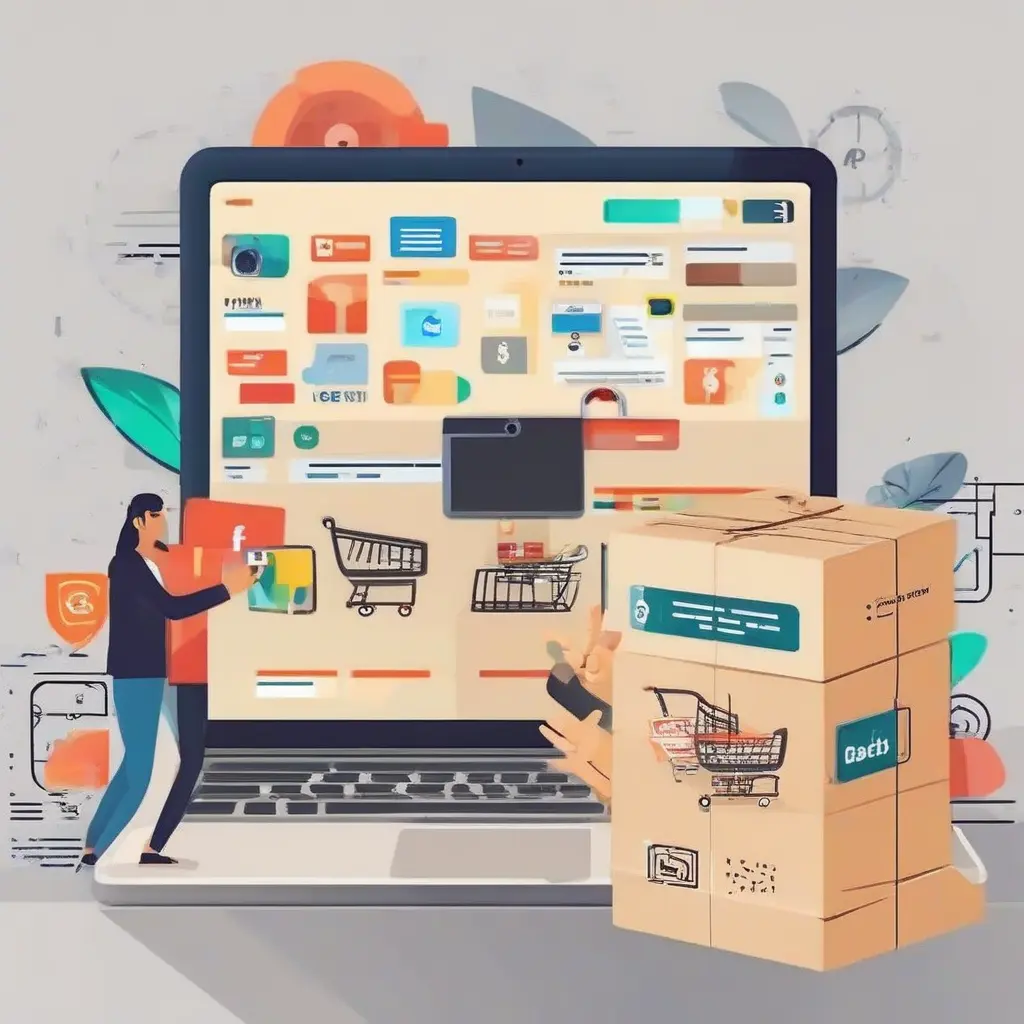
In today’s fast-paced financial landscape, managing household expenses can often feel overwhelming. Fortunately, online budgeting tools provide a structured approach to track spending, set financial goals, and ultimately save money. These digital resources allow users to see where their money is going, highlight unnecessary expenditures, and create realistic budgets tailored to their needs. By leveraging online budgeting tools, households can gain better control over their finances, identify areas for potential savings, and foster healthy money management habits.
Understanding Online Budgeting Tools
Online budgeting tools are software applications or platforms designed to help users manage their finances effectively. These tools offer various features, including expense tracking, budget creation, and advanced analytical capabilities. Many budgeting applications are accessible via web browsers or mobile devices, which ensures that users can access their financial data anytime, anywhere. By utilizing these tools, individuals can gain insights into their spending patterns and make informed decisions regarding their budgets.
Identifying Your Financial Goals
Before diving into budgeting tools, it’s essential to outline your financial goals. Think about what you want to accomplish in both the short and long term—whether it’s saving for a family vacation, paying off debt, or building an emergency fund. Establishing clear financial objectives offers direction when using online budgeting tools, as they can help you monitor progress and adjust your budget accordingly. Be specific about your goals, ensuring they are measurable and time-bound for effectiveness.
Selecting the Right Budgeting Tool
With numerous online budgeting tools available, choosing the right one can be daunting. Start by identifying your specific needs and preferences, such as whether you prefer a simple spreadsheet format or a more robust application with various features. Popular tools like Mint, YNAB (You Need A Budget), and Personal Capital each have unique strengths. Assess their user interfaces, pricing (many offer free versions), and integration capabilities with your bank accounts or credit cards to find the best match for your financial situation.
Setting Up Your Budgeting Tool
Once you have selected a budgeting tool, it’s time to set it up effectively. Begin by linking your bank accounts and credit cards to automatically import transactions. Categorize your expenses into relevant sections, such as groceries, utilities, and entertainment, for clearer tracking. Next, allocate set amounts to each category based on your income and financial goals. Most online budgeting tools will provide analytics and suggestions for better managing your budget, so take the time to customize it thoroughly to suit your lifestyle.
Regularly Monitoring Your Spending
Monitoring your spending is crucial to ensuring your budgeting efforts are effective. Online budgeting tools often provide real-time updates and alerts to keep you informed about your financial habits. By regularly reviewing your spending against your established budget, you can quickly identify areas where you may be overspending. This awareness allows you to make necessary adjustments before any detrimental financial impacts occur. Set aside time weekly or monthly to assess your spending patterns for optimal management.
Adjusting Your Budget as Needed
Flexibility is a key component of successful budgeting. Life circumstances can change, affecting your income and expenses. Online budgeting tools enable you to make swift adjustments to your budget as needed. If you find that a particular category consistently exceeds your budget, consider reallocating funds from other areas or enhancing your financial goals. This adaptability helps maintain balance within your finances while fostering a realistic approach to budgeting that can accommodate changes in your household.
Incorporating Savings Goals
An effective budgeting strategy often includes dedicated savings goals. Utilizing online budgeting tools, set specific targets for your savings, such as building an emergency fund or saving for a major purchase. Many applications allow you to create sub-budgets for these goals, providing a clear path to achieve them. By regularly contributing to these savings goals and tracking your progress, you reinforce discipline in managing your finances and create a sense of accomplishment as you reach each milestone.
Utilizing Reports and Insights
One of the strengths of online budgeting tools is their ability to generate detailed reports and insights into your financial health. Most applications provide visual representations of your spending, savings, and budget adherence, making it easier to understand your financial status. Use these reports to identify trends, such as recurring expenses that could be reduced or eliminated. By analyzing this data, you can make informed decisions that further enhance your household’s budgeting strategy and promote smart spending habits.
Staying Committed to Your Budget
Commitment to your budget is critical for achieving financial stability and savings goals. Successful budgeting requires ongoing effort and adjustments, especially as life circumstances evolve. Make it a habit to review your budget regularly and engage with your online budgeting tool. Consider setting reminders for significant review periods, encouraging your household to discuss financial matters openly. This cooperative approach fosters accountability and reinforces the importance of sticking to your budget as a team.
Conclusion
Leveraging online budgeting tools is an effective strategy for managing household finances and saving money. By understanding their functionalities, setting clear financial goals, and regularly monitoring spending, individuals can cultivate healthier financial habits. Additionally, embracing the flexibility and insights provided by these tools ensures adaptability in various financial situations. With dedication and consistent use of online budgeting resources, households can achieve and surpass their financial aspirations.