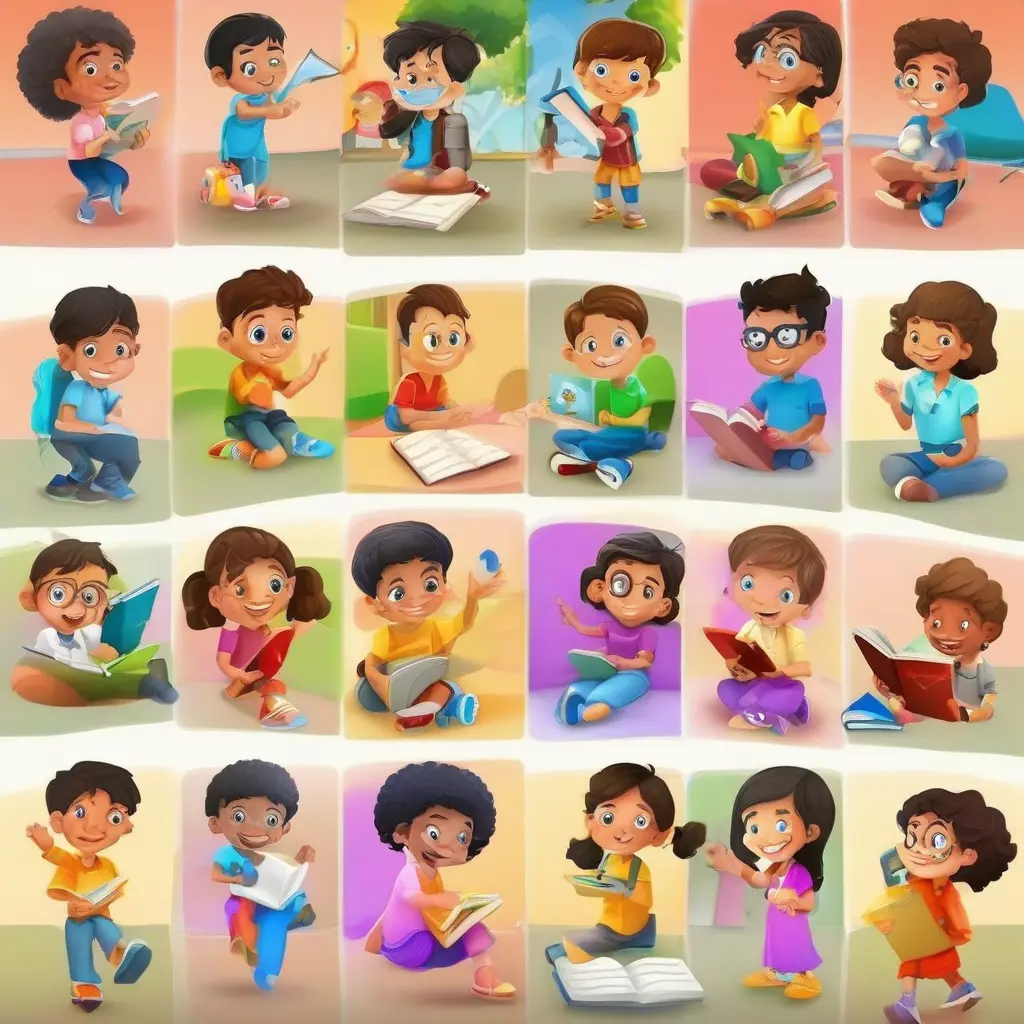
In today’s digital age, educational apps are transforming traditional learning methods for kids in India. With a plethora of options available, these apps offer interactive and engaging experiences that can significantly enhance a child’s learning. By leveraging the right app, parents and educators can create a personalized learning environment that caters to individual needs while making education enjoyable. This article explores various strategies to maximize the effectiveness of educational apps, ensuring kids benefit fully from these innovative tools.
Understanding the Importance of Educational Apps
Educational apps play a crucial role in modern learning, especially for kids in India. They provide dynamic platforms where children can explore concepts at their own pace, making learning more engaging. These apps often utilize gamification, interactive quizzes, and multimedia content that not only capture attention but also foster deeper understanding. By incorporating technology into education, children can access a wealth of resources and practices that traditional methods may not offer, helping to cultivate a love for learning.
Choosing the Right Educational App
Selecting the appropriate educational app for a child is pivotal for maximizing its benefits. Parents should look for apps that align with their child’s learning objectives, age, and skill level. Popular categories include language learning, mathematics, science, and coding. It’s essential to read user reviews and try out demos when available to ensure the app is user-friendly and effectively structured. An app that combines educational value with engagement is more likely to keep a child motivated and interested in learning.
Features to Look For in Educational Apps
When exploring educational apps, certain features can enhance the learning experience significantly. App designs should ideally be intuitive and child-friendly, supporting easy navigation. Interactive elements like quizzes, videos, and hands-on activities encourage active participation. Additionally, customizable learning paths allow parents to tailor experiences based on their child’s unique needs. Progress tracking features can also help both parents and children monitor development and celebrate achievements along the way.
Incorporating Educational Apps into Daily Routines
Integrating educational apps into a child’s daily routine can foster consistent learning habits. Setting aside specific times for app usage, such as after school or during weekends, can provide structure. Parents might designate a ‘study hour’ during which kids exclusively engage with educational content. This structured approach not only helps children develop a routine but also emphasizes the significance of learning activities in their everyday lives, reinforcing the idea that education can be both fun and rewarding.
Creating a Conducive Learning Environment
A conducive learning environment is vital for maximizing the effectiveness of educational apps. Parents should establish a quiet, distraction-free space for their children to focus while using these apps. Adequate lighting, comfortable seating, and the availability of necessary devices are key aspects to consider. Additionally, setting clear rules regarding screen time can help ensure that children utilize their time effectively without falling into unproductive habits. Creating an environment that promotes focused learning can lead to better educational outcomes.
Encouraging Parental Involvement
Parental involvement is a significant factor in maximizing the benefits of educational apps for kids. Engaging with the content alongside children can help them feel supported and motivated. Parents can discuss lessons learned, provide guidance, and even participate in activities offered by the app. Creating shared learning experiences allows parents to reinforce concepts taught in the app and provides opportunities for bonding and deeper understanding. This collaborative approach not only promotes a love for learning but also strengthens parent-child relationships.
Leveraging Social Features of Educational Apps
Many educational apps come equipped with social features that enable collaboration and interaction among users. Encouraging kids to connect with friends or classmates within the app can promote a sense of community and teamwork. Group challenges, shared projects, and collaborative tasks can improve motivation and foster social skills. Integrating these social aspects into their learning processes can make educational apps even more engaging, allowing children to learn from one another while working together toward common educational goals.
Evaluating App Effectiveness
Regularly evaluating the effectiveness of the chosen educational apps is essential to ensure they meet children’s learning needs. Parents should monitor the child’s progress and assess if the app’s learning objectives align with school curriculums. Feedback from children about their experiences can also provide valuable insights into what works and what doesn’t. Adjusting the app choices based on these evaluations is crucial. This iterative process ensures that the learning tools remain effective and continue to engage the child positively.
Utilizing Offline Resources Alongside Apps
While educational apps are effective, they work best when combined with offline resources. Incorporating books, hands-on activities, and real-life experiences can create a holistic learning environment. For example, a child using a reading app can also benefit from physical books or storytelling sessions with parents. This blended approach reinforces learning concepts and provides diverse modes of engagement. By utilizing offline resources, parents can help children connect theoretical knowledge with real-world situations, making learning more meaningful.
Adapting to Individual Learning Styles
Every child has a unique learning style, and educational apps can often cater to these differences. Identifying whether a child learns best through visual, auditory, or kinesthetic methods can guide the selection of apps that align with their preferences. Some apps incorporate various teaching approaches, allowing children to choose learning paths that resonate with them. Adapting education according to individual styles enhances retention and promotes a more enjoyable learning experience, leading to better educational outcomes.
Staying Updated with New Educational Technologies
The field of educational technology is continually evolving, making it important for parents and educators to stay updated with new developments. Regular research and exploring emerging apps and tools can provide fresh resources that enhance children’s learning. Following educational blogs, attending webinars, and joining forums focused on educational technology can help keep parents informed about the best practices. Being proactive in adopting new technologies can provide children with diverse learning experiences that keep pace with their evolving educational needs.
Conclusion
Maximizing learning through educational apps for kids in India requires careful selection, engagement, and integration into daily life. By understanding the benefits and utilizing various strategies, parents can enhance their child’s educational journey and foster a lifelong love for learning. As technology continues to evolve, embracing these tools with thoughtful approaches will ensure that children receive the best possible outcomes, preparing them effectively for the future.