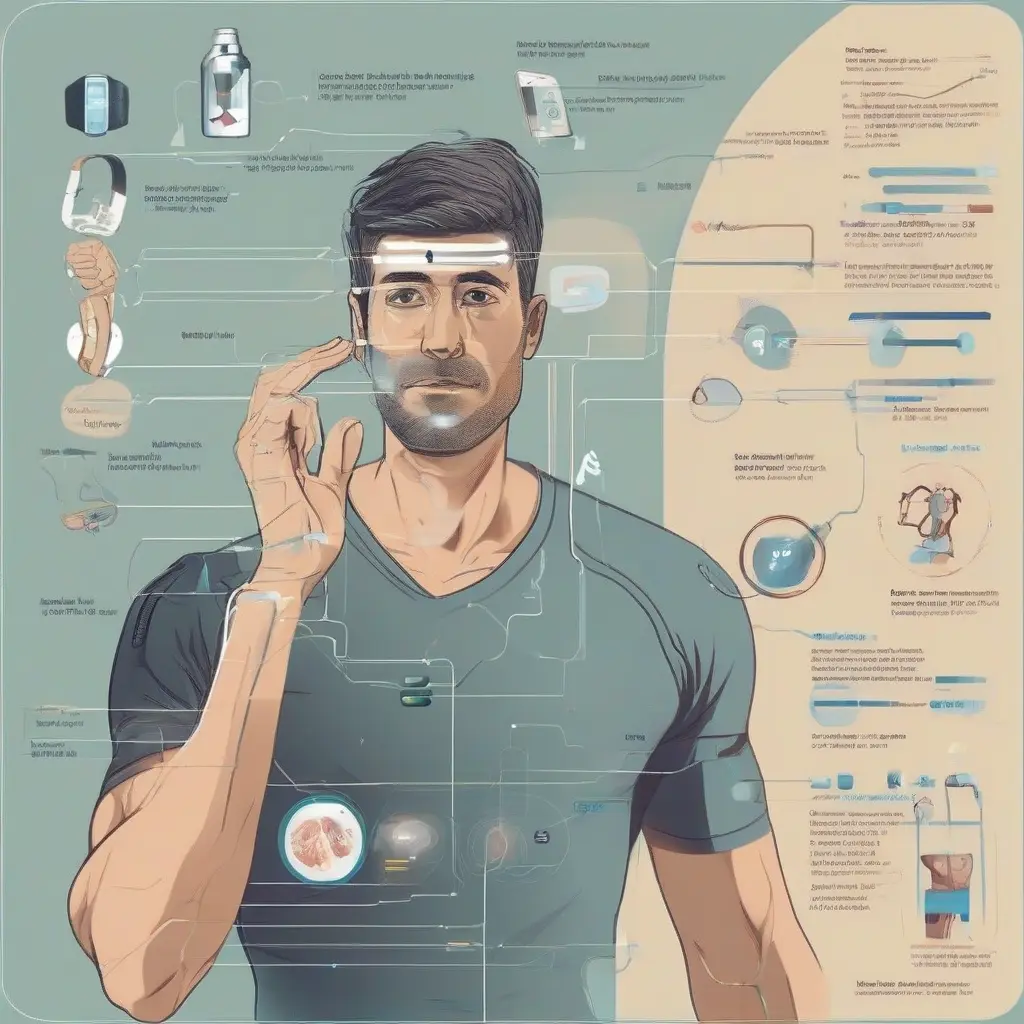
Wearable technology is transforming how we monitor our health, providing real-time insights that can lead to better wellness decisions. Devices like smartwatches and fitness trackers allow users to track their physical activity, sleep patterns, heart rate, and other vital metrics seamlessly throughout the day. Understanding how to maximize these tools can empower individuals to take charge of their health, resulting in more informed lifestyle choices. This article discusses various strategies to effectively use wearable tech for daily health monitoring.
Choosing the Right Wearable Device
Selecting the right wearable device is crucial for achieving effective health monitoring. Different devices offer various features, so it’s essential to understand your specific health goals. For example, fitness enthusiasts may prefer advanced sports watches with GPS and heart rate monitoring, while someone looking to track general wellness might opt for a simpler fitness tracker. Researching features such as battery life, app compatibility, and ease of use can help you find the best fit for your lifestyle.
Understanding Health Metrics and Their Importance
Wearable tech provides a variety of health metrics, including step count, heart rate variability, and sleep quality. Each of these metrics plays a vital role in understanding your overall health. For instance, tracking daily steps can motivate you to stay active, while monitoring your heart rate during exercise can help optimize your workouts. Additionally, measuring sleep quality can reveal patterns that influence your daytime energy levels and mental clarity. Knowing how to interpret these metrics enables better health management.
Integrating Wearable Tech with Health Apps
To enhance the functionality of your wearable device, integrating it with health apps boosts data analysis and personalization. Many wearables come with companion apps that provide comprehensive insights and trends based on collected data. These apps often allow users to set goals, track progress, and even receive coaching tips tailored to their needs. Furthermore, syncing your wearable with third-party apps can unlock additional features, such as nutritional tracking or community challenges, leading to a more holistic health monitoring experience.
Setting Realistic Health Goals
Establishing clear, realistic health goals is essential when utilizing wearable technology. Whether your objective is to lose weight, improve stamina, or get better sleep, having specific targets provides direction. Start by analyzing your current health metrics to identify areas for improvement. Then, set short-term milestones that are achievable, which can help maintain motivation and foster a sense of accomplishment. Regularly reviewing and adjusting these goals based on your progress ensures ongoing engagement with your health monitoring journey.
Tracking Nutritional Intake with Wearables
Some wearable devices offer features to track nutritional intake, making it easier to monitor your diet alongside physical activity. Logging meals and beverages can reveal patterns in your eating habits and help identify areas for improvement. Many wearables sync with food tracking apps, allowing for seamless integration of calorie counts and nutritional values. By understanding how your diet aligns with your physical activity level, you can make informed choices that support your health objectives.
Utilizing Sleep Tracking Features
Sleep tracking is a valuable feature of many wearable devices, providing insights into sleep quality and patterns. Understanding your sleep cycles can help identify disturbances that affect your overall well-being. Devices can measure metrics such as sleep duration, restlessness, and REM cycles, which are critical for rejuvenation. By analyzing this data, you can adopt better sleep hygiene practices, such as maintaining a consistent sleep schedule or minimizing screen time before bed, leading to improved overall health.
Monitoring Heart Health with Wearable Devices
Wearable technology can play a significant role in monitoring heart health by providing continuous heart rate data. Many devices track resting heart rate, heart rate variability, and spikes during exercise, giving users insight into cardiovascular fitness. Understanding these metrics can help identify trends related to stress, recovery, and fitness levels. Users should be aware of sudden changes in heart rate, which could indicate potential health issues, prompting further investigation or consultation with healthcare professionals.
Emphasizing Consistency in Use
For wearable technology to be effective, consistency in use is paramount. Daily wearing of the device ensures the collection of comprehensive and accurate health data. Developing a routine around your wearable can enhance your habits, such as regularly checking health metrics and adhering to set goals. Additionally, integrating these technologies into everyday activities can foster a continuous awareness of health, ultimately promoting a more active and health-conscious lifestyle.
Responding to Wearable Tech Insights
Acting on the insights provided by wearable technology is essential for achieving health improvements. By regularly reviewing your health metrics, you can gain clarity about your progress and areas needing attention. Whether it’s adjusting your exercise routine based on activity levels or modifying your diet from nutritional data, responding promptly can help fine-tune your health strategies. Keeping a proactive approach enables you to take full advantage of the capabilities of wearables for better health outcomes.
Seeking Professional Guidance When Necessary
While wearable technology offers great insights, it’s important to consult healthcare professionals for more serious health concerns. Some metrics, like heart rate anomalies or excessively poor sleep quality, may warrant a deeper investigation. Regular health check-ups and discussions with healthcare providers can complement the data from wearables, providing a full picture of your health. Professionals can guide how to interpret metrics correctly and recommend lifestyle changes based on your unique health situation.
Conclusion
Wearable tech offers a powerful tool for daily health monitoring, enabling individuals to take charge of their well-being effectively. By selecting the right device and integrating it into daily life, users can gain valuable insights into their physical health. Setting realistic goals, responding to data insights, and seeking professional advice when needed enhance the benefits of wearables. As technology continues to evolve, staying informed and proactive will enable users to optimize their health journey.