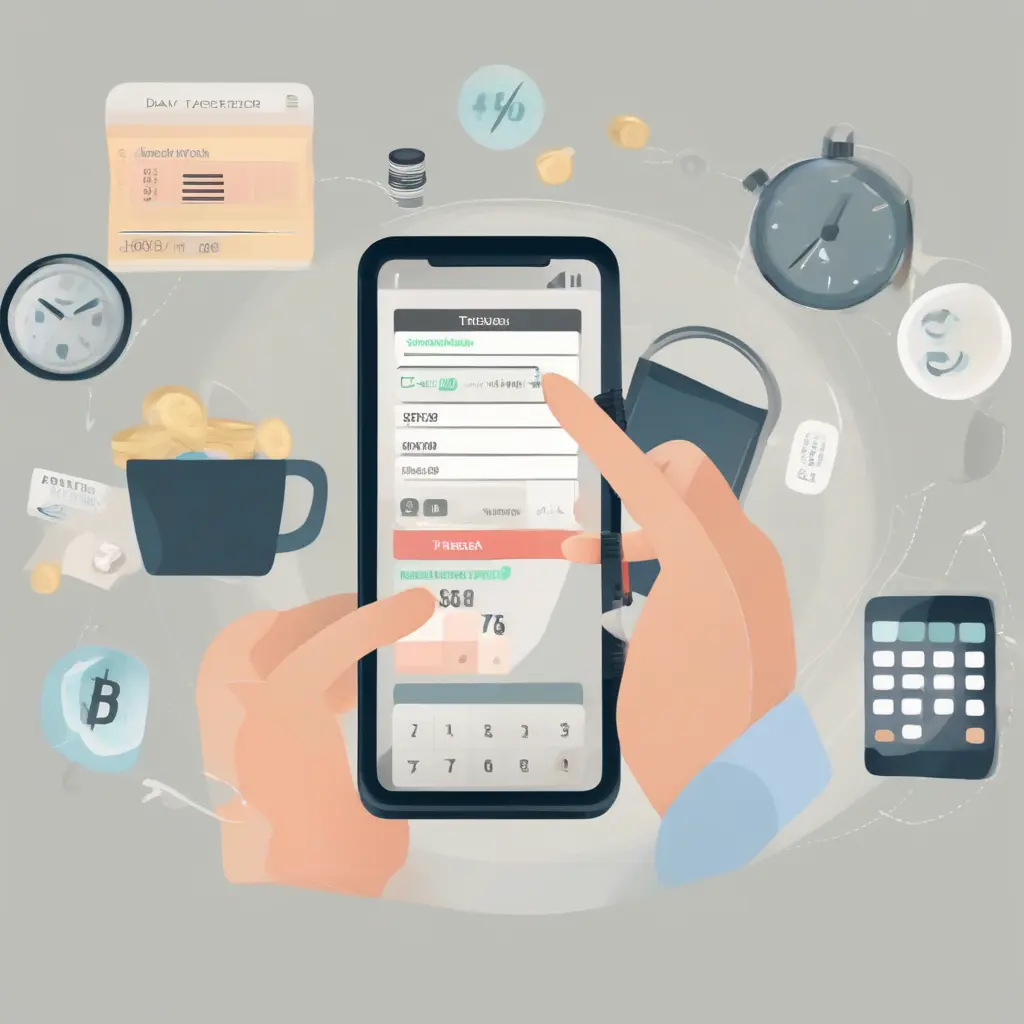
Budgeting apps have transformed financial management by offering users a straightforward way to track daily expenses. These applications allow individuals to input their expenditures in real-time, categorize spending, and visualize their financial patterns. By leveraging budgeting apps, users can develop healthier financial habits, control impulsive spending, and ultimately save more money. This article explores the various ways budgeting apps can enhance your expense tracking, making it both accessible and engaging.
Understanding Budgeting Apps
Budgeting apps are designed to help users plan and control their spending effectively. They serve as digital platforms where individuals can enter their financial transactions, set budgets, and receive insights on their spending habits. Many of these apps also offer features such as bill reminders, transaction categorization, and detailed reports that can be reviewed over specific time frames. Understanding these functionalities is crucial for users to maximize their financial management skills and to choose the right app that aligns with their specific needs.
Benefits of Daily Expense Tracking
Daily expense tracking provides a clear financial overview, helping users identify where their money is going. This transparency is vital for recognizing unnecessary expenditures and opportunities for savings. Moreover, tracking expenses regularly can instill discipline in spending habits, allowing users to stick to budgets more effectively. The awareness gained from daily tracking can lead to wiser financial decisions, as individuals become more mindful of their financial behavior and its impact on their long-term goals.
Choosing the Right Budgeting App
Selecting the right budgeting app is essential for a personalized experience in managing finances. Users should consider features like user interface, compatibility with bank accounts, and budgeting capabilities. Some apps focus on simplicity, while others offer advanced functionalities such as investment tracking or debt management. It’s beneficial to read reviews and test out a few options to find an app that resonates with your financial habits and goals, thus enhancing the overall tracking experience.
Setting Up Your Budgeting App
Once you’ve chosen a budgeting app, the next step is to set it up properly. This usually involves creating an account, linking bank accounts, and inputting any existing financial data. Most apps guide users through an onboarding process, making it easier to understand how to utilize various features effectively. Users should categorize their expenses, set monthly budgets, and input recurring bills to receive accurate insights into their financial health. Such a foundation is crucial for effective daily expense tracking.
Tracking Expenses in Real-Time
Real-time tracking of expenses means entering transactions as they happen, rather than waiting until the end of the day or month to log them. Many budgeting apps offer mobile accessibility, allowing users to update their spending on the go. This practice not only helps maintain accuracy but also encourages mindfulness in spending. By noting expenses promptly, users can assess their budget immediately, making it easier to adjust habits whenever necessary, thus establishing a more proactive approach to personal finance.
Analyzing Spending Patterns
After accumulating data over time, budgeting apps often provide users with analysis tools to visualize their spending patterns. These insights can be presented in graphs or reports, showcasing categories where individuals might be overspending. By analyzing this data, users can make informed decisions on where to cut back or adjust their budgets. Recognizing trends and patterns in spending not only aids in sticking to budgets but can also highlight areas for potential savings and investments.
Setting Financial Goals
Budgeting apps allow users to set specific financial goals, such as saving for a vacation or paying off debt. By integrating these goals into the app, users can track progress and stay motivated. Many budgeting applications even offer goal-setting features that encourage users to allocate funds toward their objectives, making it easier to visualize how daily expenses affect overall financial targets. Setting these goals can instill a sense of purpose, helping to reinforce positive financial behavior.
Engaging with Notifications and Alerts
Budgeting apps often include features such as notifications and alerts to keep users informed about their spending and budget status. These reminders can highlight bill due dates, budget limits, or upcoming expenses, fostering a proactive approach to finances. Engaging with these alerts can help prevent overspending and ensure bills are paid on time. Additionally, they serve as a daily interaction point with the app, allowing users to stay connected with their financial situation regularly.
Maintaining Financial Discipline
Utilizing a budgeting app effectively requires a commitment to maintaining financial discipline. This involves regular usage, consistent updates of transactions, and adherence to set budgets and goals. Users should check in with their budget daily or weekly to review progress and make necessary adjustments. Establishing this habit can lead to improved financial health over time, as users become accustomed to monitoring their spending and can adapt their financial strategies as life circumstances change.
Ensuring Privacy and Security
When using budgeting apps, it’s crucial to prioritize privacy and security. Users should research the app’s security measures, such as encryption and data protection policies, before linking sensitive financial information. Reputable apps will often have robust security features to safeguard user data. Additionally, enabling two-factor authentication can add an extra layer of security. By taking these precautions, users can enjoy the benefits of budgeting apps without compromising their financial safety.
Conclusion
In conclusion, budgeting apps are powerful tools for managing daily expenses and achieving financial stability. By understanding how to effectively use these apps, individuals can track expenses, set goals, and make informed decisions about their finances. Embracing the features and functionalities inherent in budgeting apps can significantly enhance financial management practices, leading to greater awareness and improved financial health.