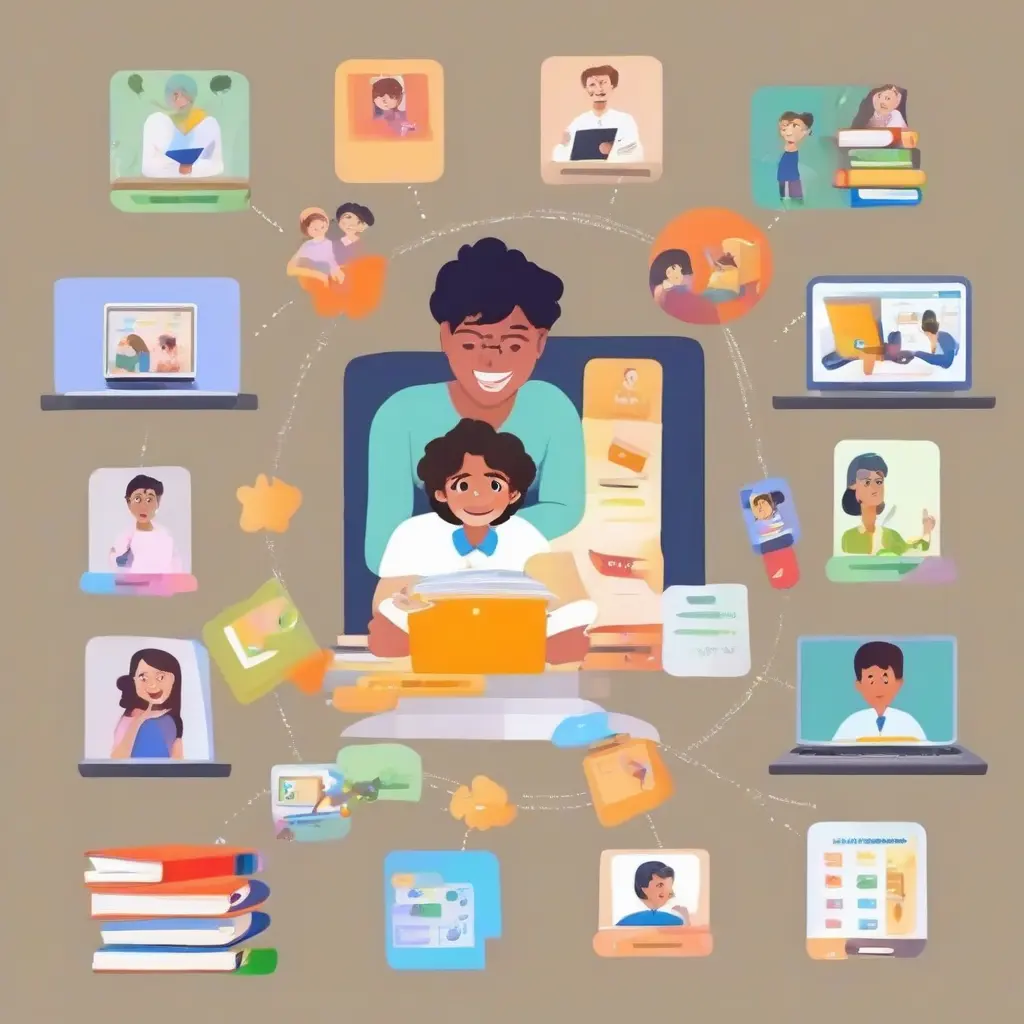
Remote learning has transformed education for school children in India, offering innovative tools that enhance learning experiences. With a focus on flexibility and accessibility, these resources cater to diverse learning styles and needs. Parents and educators can harness digital platforms to create engaging lesson plans, facilitate interactive discussions, and monitor progress. This guide explores the most effective remote learning tools available for school children in India, helping to create a balanced educational environment where students can thrive.
Importance of Remote Learning Tools
Remote learning tools are essential in modern education, especially in India, where technology has become increasingly integrated into everyday life. They enable students to learn at their own pace, access a wide array of resources, and develop digital literacy skills. These tools foster collaboration among peers and provide opportunities for personalized learning experiences. As schools adapt to changing circumstances, incorporating effective remote learning tools is crucial for maintaining educational quality and ensuring that students remain engaged and motivated.
Popular Video Conferencing Tools
Video conferencing tools like Zoom, Google Meet, and Microsoft Teams have become staples in remote learning environments. These platforms allow educators to conduct live classes, host interactive discussions, and maintain a classroom atmosphere despite geographical barriers. Features such as screen sharing, breakout rooms, and chat functions enhance collaboration and engagement between students and teachers. Adopting these tools can significantly improve communication and foster a sense of community among learners during remote education.
Learning Management Systems (LMS)
Learning Management Systems, such as Moodle and Blackboard, provide structured environments for administering, documenting, tracking, and delivering educational courses. These platforms enable teachers to create and manage content, assessments, and progress reports effortlessly. By leveraging LMS, educators can track student engagement, customize learning pathways, and facilitate communication. This organized approach aids in creating a more comprehensive learning experience tailored to each student’s needs, promoting academic success in the remote learning context.
Interactive Educational Apps
Interactive educational apps like Khan Academy, Duolingo, and Quizlet offer unique ways for students to engage with course material. These applications provide gamified learning experiences, quizzes, and interactive lessons that cater to various subjects and skill levels. By utilizing these tools, students can enhance their understanding of complex topics, practice at their own pace, and receive immediate feedback. This dynamic approach keeps learners motivated and encourages continuous engagement in their studies.
Collaborative Tools
Collaborative tools such as Google Workspace and Microsoft 365 facilitate teamwork among students even when learning remotely. Features like shared documents, spreadsheets, and presentation tools encourage students to work together on group projects or assignments. These platforms promote communication and inclusivity, allowing all participants to contribute and share ideas. By fostering collaboration through technology, students can develop essential teamwork skills that are vital for success in their academic and future professional endeavors.
Online Resources and Libraries
Access to online resources and digital libraries, like National Digital Library of India and JSTOR, provides students with a wealth of information at their fingertips. These platforms host a myriad of educational materials, including articles, research papers, and multimedia content across a wide range of subjects. By incorporating these resources into their studies, students can refine their research skills, cite reputable sources, and gain familiarity with diverse materials, enhancing their academic performance and encouraging independent learning.
Assessment and Feedback Tools
Assessment tools like Google Forms, Socrative, and Edmodo enable teachers to gather feedback and evaluate student understanding efficiently. These platforms support various question formats, allowing for formative assessments, quizzes, and surveys to gauge student progress. Immediate feedback through these tools helps educators identify learning gaps and adjust their teaching strategies accordingly. This iterative approach ensures that students receive timely support and can take ownership of their learning journey, fostering a growth mindset.
Best Practices for Implementing Remote Learning Tools
Implementing remote learning tools effectively requires careful planning and consideration. Educators and parents should establish clear guidelines and expectations for online learning to maximize engagement. It’s essential to provide training for both teachers and students on how to use these tools effectively. Additionally, fostering an inclusive environment by encouraging student participation and communication is crucial. Regularly revisiting and updating the digital tools used can also ensure that they meet evolving educational needs and enhance the overall remote learning experience.
Challenges of Remote Learning Tools
Despite the advantages of remote learning tools, several challenges persist in the Indian context. Issues such as internet connectivity, access to devices, and digital literacy can hinder effective learning. Additionally, some students may struggle with self-motivation and time management when learning remotely. Educators must address these challenges by providing support and resources, promoting a balanced approach to remote education, and finding innovative solutions to ensure that all students can benefit from the available tools.
Future of Remote Learning in India
The future of remote learning in India looks promising as technology continues to evolve and become more accessible. As schools increasingly incorporate blended learning approaches, the use of diverse educational tools will likely expand. Innovations in artificial intelligence, data analysis, and personalized learning solutions can further enhance the educational landscape. By embracing these advancements, educators and students can work together to create a more equitable, engaging, and effective learning experience that prepares them for the demands of a rapidly changing world.
Conclusion
In conclusion, remote learning tools play a pivotal role in shaping the educational experiences of school children in India. By utilizing video conferencing platforms, LMS, interactive apps, and collaborative tools, both teachers and students can benefit from a comprehensive learning environment. As challenges persist, continuous adaptation and innovation will be essential for the future of remote education. By prioritizing effective implementation and support, it is possible to create a vibrant educational landscape that empowers children to achieve their full potential.