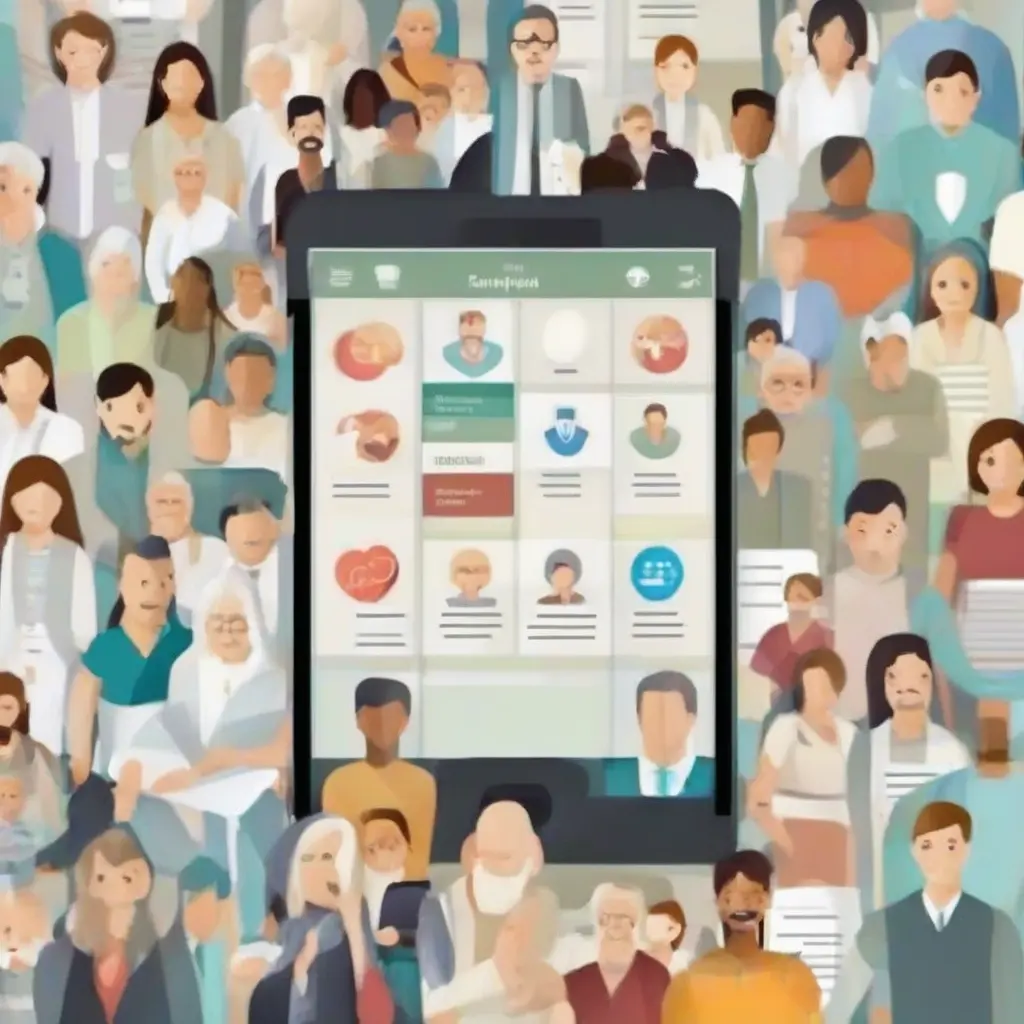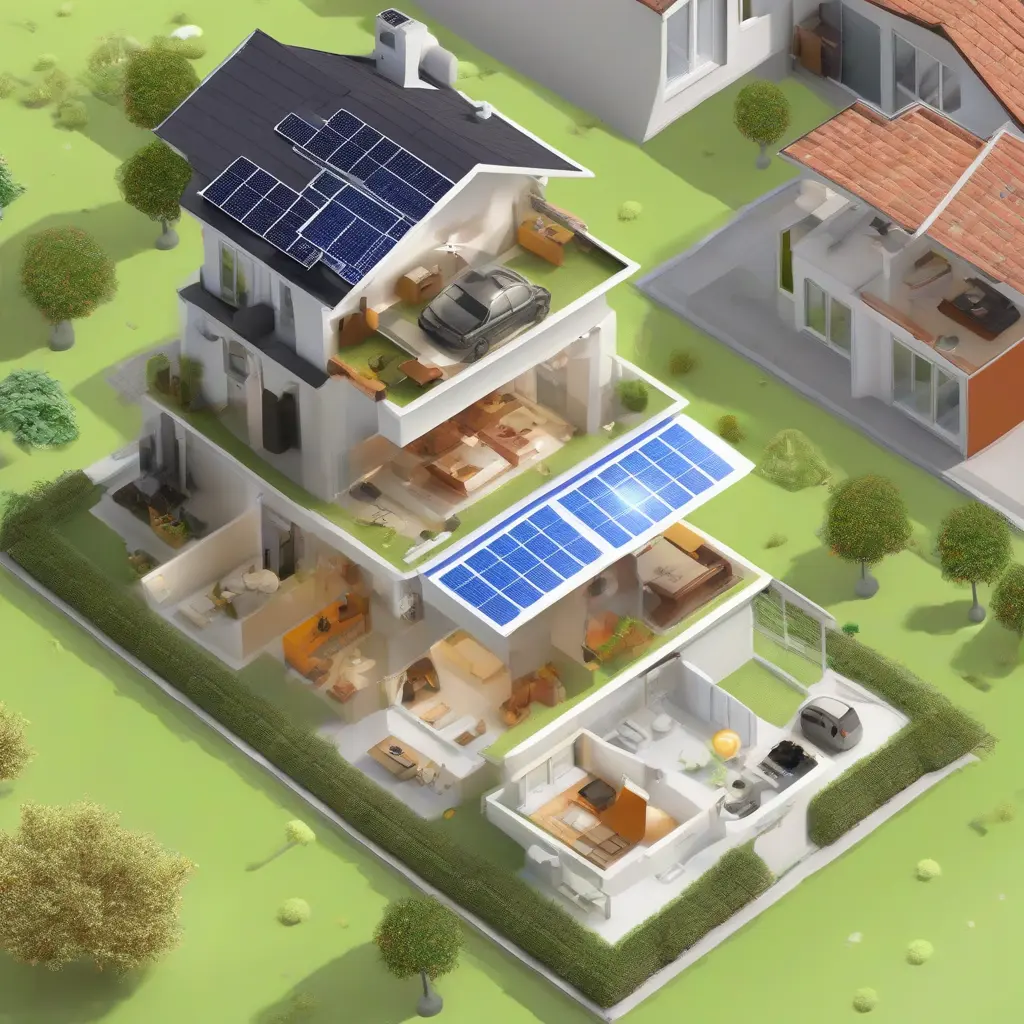
With increasing energy costs and a growing awareness of sustainability, Indian households are turning to smart home apps to optimize energy consumption. These applications not only provide users with the tools to monitor energy usage but also offer features that allow for efficient control over devices. By integrating technology into daily life, families can significantly reduce their energy bills while contributing to a greener environment. This article will explore various ways to utilize smart home apps for energy efficiency, detailing the benefits and options available.
Understanding Smart Home Technology
Smart home technology encompasses devices and applications that connect to the internet, enabling remote control and management. In the context of energy efficiency, these technologies allow homeowners to regulate their appliances, lighting, and heating systems seamlessly. For example, smart thermostats can learn a household’s schedule and adjust temperatures automatically, reducing unnecessary energy use. As more people embrace this technology, understanding its functionality becomes crucial for maximizing energy savings in Indian households.
Benefits of Using Smart Home Apps
Utilizing smart home apps offers numerous advantages for energy efficiency, including real-time monitoring of power usage. Homeowners can receive notifications about high consumption, which allows them to make informed decisions about their energy habits. Additionally, these apps can schedule appliance usage during off-peak hours when electricity rates are lower, ultimately helping families save money. Overall, the benefits of these applications extend beyond just financial savings; they also promote responsible energy consumption.
Choosing the Right Smart Home App
Selecting the right smart home app involves considering several factors, including compatibility with existing devices, ease of use, and specific energy management features. Popular apps in India often integrate with popular smart home devices, allowing for seamless control. It’s essential to read reviews and possibly trial different apps to find the one that best fits your household’s needs. This strategic choice can effectively streamline energy management and enhance overall efficiency.
Integrating Smart Plugs for Enhanced Control
Smart plugs are an excellent starting point for those new to smart home technology. They offer a straightforward way to control devices remotely and monitor energy consumption. By connecting appliances through smart plugs, users can turn them off completely or set schedules to limit their usage during peak hours. This aspect is particularly beneficial for households with significant energy consumption, such as those using air conditioners or water heaters frequently.
Automating Lighting Systems
Automating lighting through smart home apps can significantly cut down on energy waste. Homeowners can set schedules for indoor and outdoor lighting based on their routines, ensuring lights are only on when needed. Many smart lighting systems also offer dimming features and can adjust based on natural light levels, reducing electricity consumption further. This simple adjustment in lighting practices can lead to noticeable reductions in energy bills, making homes more efficient.
Utilizing Smart Thermostats
Smart thermostats are among the most impactful tools for achieving energy efficiency. They adapt to user behavior by learning patterns, thus optimizing heating and cooling cycles. For instance, by reducing heating or cooling during periods when the house is unoccupied, smart thermostats can contribute significantly to energy savings. In a climate like India’s, where temperatures can vary drastically, smart thermostats provide both comfort and efficiency.
Monitoring Energy Consumption Trends
Many smart home apps come equipped with features to monitor energy consumption trends over time. By analyzing when and where energy is used most, families can identify areas for improvement. These insights can lead to proactive changes such as upgrading to energy-efficient appliances or altering usage habits. With a clear understanding of energy consumption patterns, homeowners can make strategic decisions that enhance overall efficiency.
Engaging Family Members in Energy Saving
Engaging all family members in energy-saving initiatives is vital for maximizing efficiency. Smart home apps often allow for multiple user profiles, facilitating collective participation in energy management. Families can set goals and track achievements together, making energy conservation a shared responsibility. This collaborative approach not only enhances awareness but also fosters a sustainable mindset in all household members.
Exploring Renewable Energy Options
Many smart home apps now support the integration of renewable energy sources, such as solar power. By monitoring solar panel output and energy consumption in real time, homeowners can optimize their usage and significantly reduce reliance on non-renewable energy sources. This alignment with sustainable practices is increasingly important in today’s eco-conscious society, making renewable energy a valuable consideration in energy management strategies.
Incorporating Energy-efficient Appliances
Investing in energy-efficient appliances can greatly enhance the effectiveness of smart home apps. Such appliances often feature advanced technology designed to minimize energy wastage. When paired with smart home apps, users can receive notifications regarding best practices and optimal settings to further refine their energy use. Transitioning to these appliances not only optimizes household energy efficiency but also supports a wider commitment to environmental sustainability.
Conclusion
In summary, smart home apps offer valuable tools for improving energy efficiency in Indian households. By understanding and utilizing these technologies, families can monitor their energy consumption, optimize usage, and engage in sustainable practices. As smart home technology continues to evolve, the benefits it offers will only expand, promising an even greener future for households across India.